South Florida Local News
Florida Fish and Wildlife Conservation Commission removes over 5,000 invasive green iguanas from state ecosystems in coordinated effort

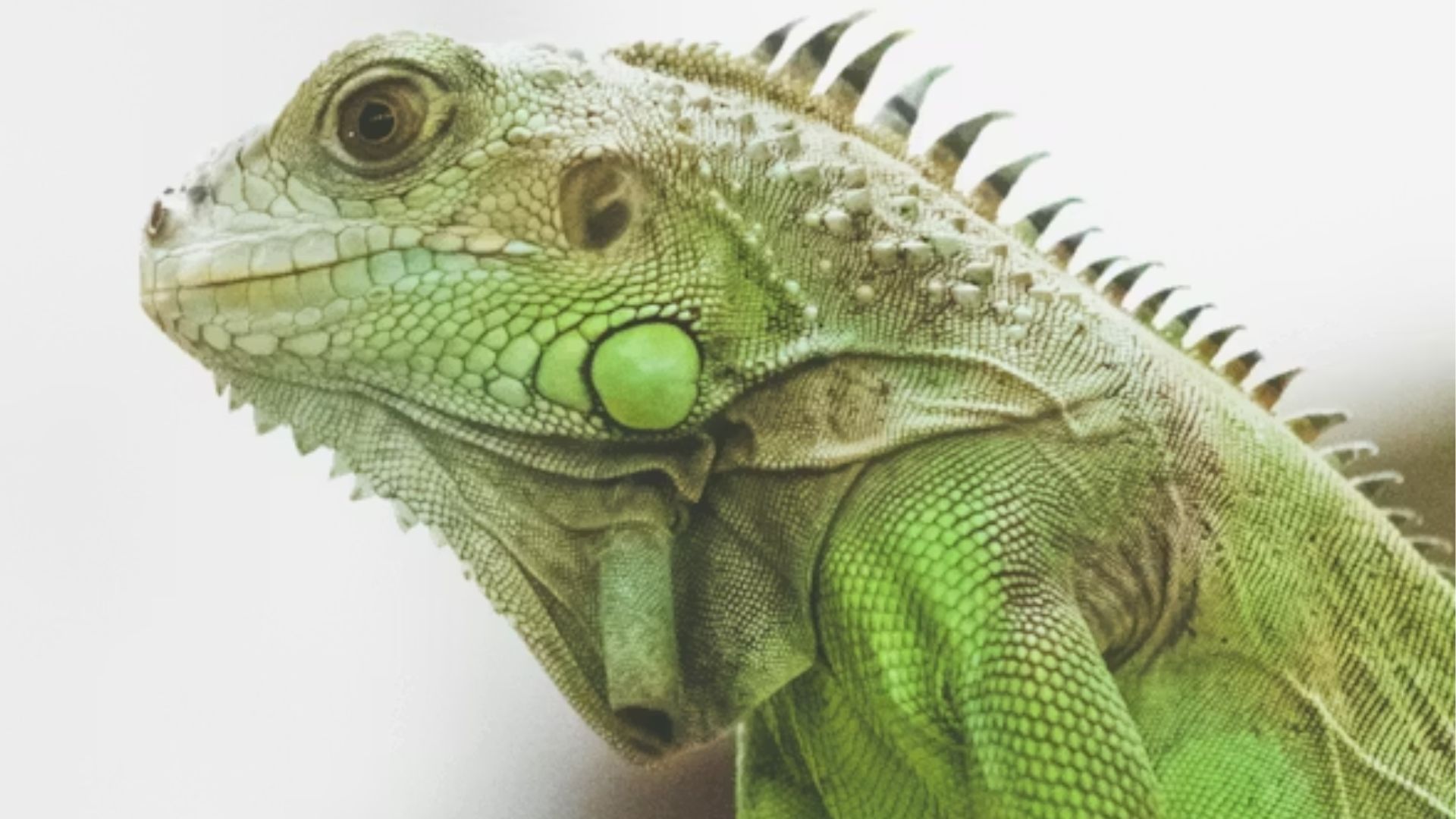
Tallahassee, Florida – In a massive effort to curb the impact of invasive species, the Florida Fish and Wildlife Conservation Commission (FWC) announced today that 5,195 green iguanas were removed from Florida ecosystems, marking a significant step in the state’s ongoing fight against nonnative wildlife. The announcement came during the February FWC Commission meeting in Tallahassee and highlights the success of a short-term, highly coordinated initiative under Executive Order 26-03.
The executive order, issued during a period of unusually cold temperatures in South Florida, allowed members of the public to capture and bring in live, cold-stunned green iguanas to designated FWC offices without the need for a permit. The program was limited to February 1–2, taking advantage of conditions in which the reptiles were temporarily incapacitated by the cold.
“The special regulations under EO 26-03 provided a unique opportunity for members of the public to remove cold-stunned green iguanas from their property during the recent unusual cold weather and bring them to the FWC, no permit required,” said FWC Executive Director Roger Young. “As an invasive species, green iguanas have negative impacts on Florida’s environment and economy. The removal of over 5,000 of these nonnative lizards in such a short time span was only possible thanks to the coordinated efforts of many staff members in multiple FWC divisions and offices, our partners, and of course the many residents that took the time to collect and turn in cold-stunned iguanas from their properties.”
The operation was carried out across multiple FWC locations. The Sunrise drop-off site alone received 3,882 iguanas, followed by Tequesta with 1,075, Marathon with 215, and Fort Myers with 23. FWC staff worked closely with permit holders authorized to possess live green iguanas, coordinating the transfer of healthy animals for care or, in some cases, for sale outside the state. Any iguanas that could not be transferred were humanely euthanized by trained personnel, in accordance with state regulations.
Green iguanas are considered a prohibited species in Florida due to their negative impact on native wildlife, ecosystems, and the economy. Possession of live iguanas requires a permit, and the species is not protected except by state anti-cruelty laws. Landowners and residents can legally humanely kill green iguanas on their property, or seek the help of a professional wildlife control operator for safe removal. FWC also provides guidance on discouraging iguanas from frequenting properties, with information available at MyFWC.com/Nonnatives.
The FWC emphasized that the public should avoid bringing cold-stunned iguanas into their homes or buildings to warm them. Iguanas may recover from cold-stunning quickly, and once alert, they can become defensive. Their long tails, sharp teeth, and claws make them capable of causing injury if handled improperly.
Florida faces significant challenges from nonnative species, with more than 600 reported nonnative fish and wildlife species in the state. Approximately 80 percent of these species were introduced through the live animal trade, and 139 species have established breeding populations in the wild. The management of invasive species remains a high priority for FWC because of the damage they cause to native ecosystems, property, and public health.
Executive Order 26-03 represents one of the state’s more creative and temporary interventions in invasive species management, leveraging both environmental conditions and community participation to remove thousands of nonnative animals in a short window. The program demonstrates the importance of collaboration between government agencies and the public, showing how residents can play a direct role in protecting Florida’s ecosystems.
The removal of 5,195 green iguanas is not only a milestone for this particular operation but also a reminder of the ongoing threat posed by invasive species. Florida officials stress that while the public’s participation was instrumental, continued vigilance and responsible wildlife management remain essential.
For those interested in learning more about the executive order or invasive species management, the FWC encourages residents to visit MyFWC.com/About and click on the “Office of the Executive Director.” The Commission also continues to provide resources and advice for safely handling nonnative wildlife and mitigating the impacts of these animals on local environments.
The large-scale removal effort highlights Florida’s commitment to preserving its unique ecosystems and protecting both native wildlife and the economy from the growing threat of invasive species, showing how policy, science, and community action can come together in an effective response.



Two Pine Crest seniors named semifinalists for 2027 Coca-Cola scholarships

West Palm Beach invites businesses to explore city grants and incentives

West Palm Beach to host free startup workshop for aspiring business owners

Boca Raton chef faces DUI and drug charges after deputies report 102 mph pursuit

Hollywood reminds residents that early voting begins October 19

Broward School Board approves free menstrual products pilot at at least seven schools

Florida permanently protects nearly 1,500 acres across two working cattle ranches

Pine Crest student Alaina Jamal earns recognition for three original poems

Fort Lauderdale opens new water treatment center as part of $666 million project

Broward commissioners approve possible legal action to access sheriff’s headquarters

Man arrested after Pompano Beach shooting leaves one person injured

Overnight lane and ramp closures scheduled on Broward highways through Oct. 29

Sinta Tantra’s Petals of the Moon brings new public art to southern West Palm Beach

DeSantis announces plans for hurricane tax-filing relief as FICPA awaits IRS confirmation

Greater Fort Lauderdale Alliance president and CEO Bob Swindell announces retirement in 2027
-
 South Florida Local News4 days ago
Overnight lane and ramp closures scheduled on Broward highways through Oct. 29
-
 South Florida Local News3 days ago
Florida permanently protects nearly 1,500 acres across two working cattle ranches
-
 South Florida Local News4 days ago
Man arrested after Pompano Beach shooting leaves one person injured
-
 South Florida Local News3 days ago
Fort Lauderdale opens new water treatment center as part of $666 million project