South Florida Local News
Attorney General James Uthmeier urges the DOJ to stop what he describes as California’s unconstitutional attempt to influence national energy policy

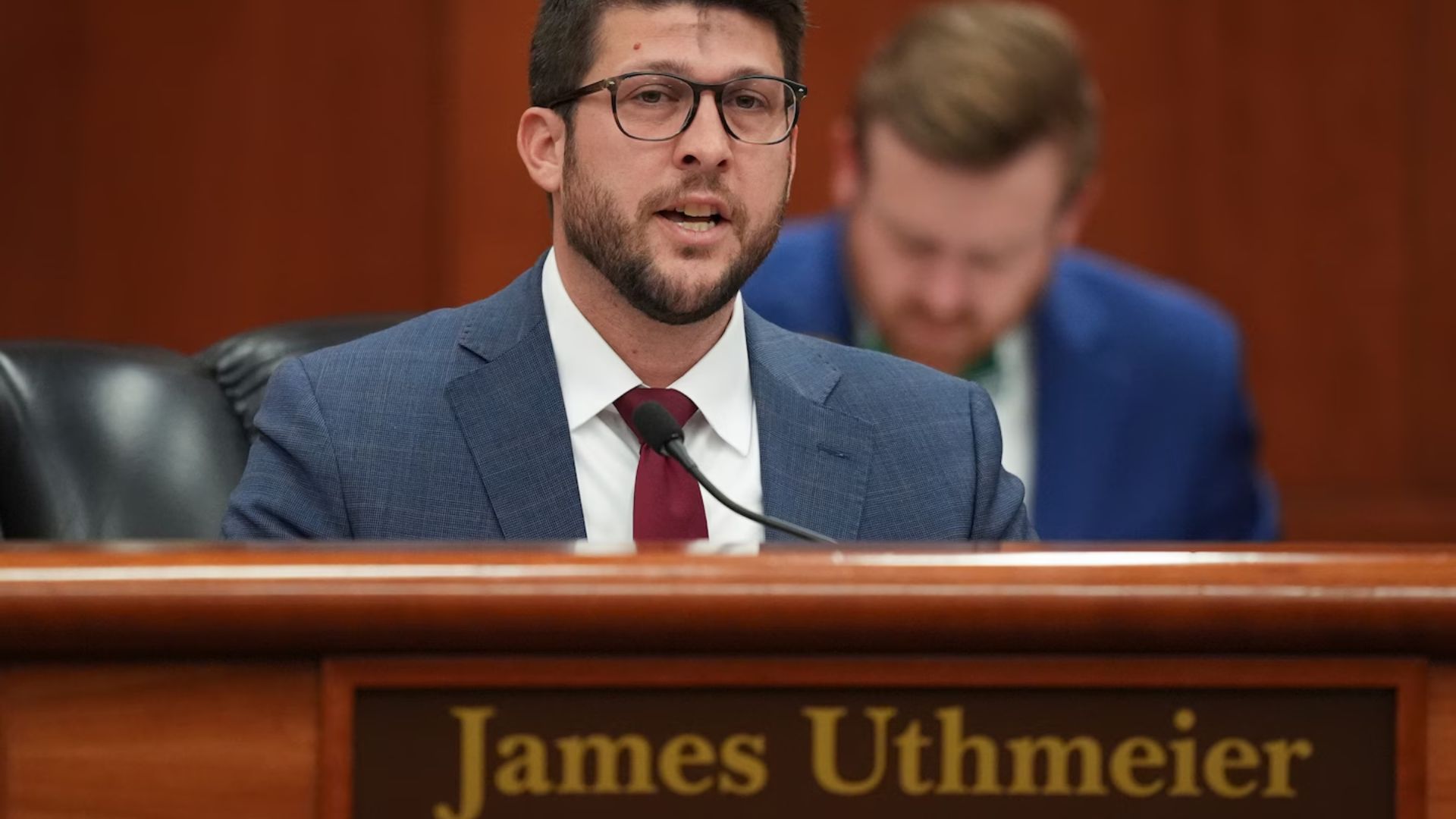
Tallahassee, Florida – Florida Attorney General James Uthmeier is escalating a growing dispute over energy regulation, urging the U.S. Department of Justice to intervene against what he describes as unconstitutional attempts by California to control national energy policy. His office has submitted formal comments in response to a DOJ inquiry into state laws that may hinder interstate commerce, arguing that several California policies reach far beyond the state’s borders and violate federal authority.
The comments, filed on behalf of the State of Florida, identify a series of California actions and proposals that Florida officials say pose nationwide economic and legal consequences. Uthmeier noted that the federal government—not individual states—has the responsibility to shape energy policy that affects the entire country. “California does not have the authority to dictate America’s energy future,” said Attorney General James Uthmeier. “Florida is urging the Department of Justice to put an end to these unlawful policies that drive up consumer costs, destroy American jobs, and weaken national security. Only then can our nation achieve the energy dominance President Trump has called for.”
At the core of Florida’s argument is the assertion that California’s initiatives interfere with interstate commerce, violate the Clean Air Act, and erode the intended balance between state and federal powers. The state’s submission to the DOJ outlines four main examples of what it views as unconstitutional overreach.
First, Florida points to California’s emissions-disclosure mandates. According to the filing, these disclosure rules force businesses in other states to meet strict reporting requirements just to continue doing business with California. Florida argues that this essentially gives California authority over companies that operate entirely outside its borders, adding unnecessary expense and compliance hurdles for industries across the nation.
Second, the filing raises concerns about California-led litigation targeting long-standing energy producers. Florida claims that these lawsuits seek billions of dollars in retroactive damages for activities that were—at the time—lawful under both federal and state regulations. By attempting to hold companies financially responsible for decades-old emissions, Florida says California is bypassing federal law and attempting to rewrite national rules through local courts.
The state also cites California’s attempts to ban internal-combustion vehicles and restrict heavy-duty trucks powered by traditional fuels. Florida argues that such bans directly conflict with congressional action, especially regarding the repeal of California’s waiver under the Clean Air Act. The waiver had previously allowed California to set emissions standards more stringent than federal rules, but without it, Florida says the state no longer has the authority to impose unilateral fuel-related restrictions.
Finally, Florida flags California’s proposed “climate superfund,” a program that would charge traditional-fuel companies for historic emissions. Uthmeier’s office argues that this would effectively penalize energy producers for past conduct that was not illegal and would violate constitutional protections against retroactive punishment.
Attorney General Uthmeier said these examples illustrate a pattern of behavior that could have national economic repercussions if left unchecked. By urging the DOJ to step in, he hopes to prevent what he describes as state-level attempts to control energy markets that properly fall under federal jurisdiction. According to his office, allowing a single state to impose extraterritorial regulations could set a precedent that disrupts everything from trucking and manufacturing to consumer energy prices.
Uthmeier’s request now sits with the Department of Justice as it reviews feedback from states and stakeholders nationwide. The DOJ’s inquiry is part of a broader effort to evaluate state policies that may impede interstate commerce or conflict with federal law.
For now, Florida’s filing marks one of the most direct challenges yet to California’s climate-related policies, setting the stage for a larger national debate over where state authority ends and federal authority begins in the evolving field of energy regulation.
A copy of the full comments submitted by Florida is available through the Attorney General’s office.



Two Pine Crest seniors named semifinalists for 2027 Coca-Cola scholarships

West Palm Beach invites businesses to explore city grants and incentives

West Palm Beach to host free startup workshop for aspiring business owners

Boca Raton chef faces DUI and drug charges after deputies report 102 mph pursuit

Hollywood reminds residents that early voting begins October 19

Broward School Board approves free menstrual products pilot at at least seven schools

Florida permanently protects nearly 1,500 acres across two working cattle ranches

Pine Crest student Alaina Jamal earns recognition for three original poems

Fort Lauderdale opens new water treatment center as part of $666 million project

Broward commissioners approve possible legal action to access sheriff’s headquarters

Man arrested after Pompano Beach shooting leaves one person injured

Overnight lane and ramp closures scheduled on Broward highways through Oct. 29

Sinta Tantra’s Petals of the Moon brings new public art to southern West Palm Beach

DeSantis announces plans for hurricane tax-filing relief as FICPA awaits IRS confirmation

Greater Fort Lauderdale Alliance president and CEO Bob Swindell announces retirement in 2027
-
 South Florida Local News4 days ago
Overnight lane and ramp closures scheduled on Broward highways through Oct. 29
-
 South Florida Local News3 days ago
Florida permanently protects nearly 1,500 acres across two working cattle ranches
-
 South Florida Local News4 days ago
Man arrested after Pompano Beach shooting leaves one person injured
-
 South Florida Local News3 days ago
Fort Lauderdale opens new water treatment center as part of $666 million project