State
FDOT highlights innovative safety measures to improve protection in work zones during awareness week

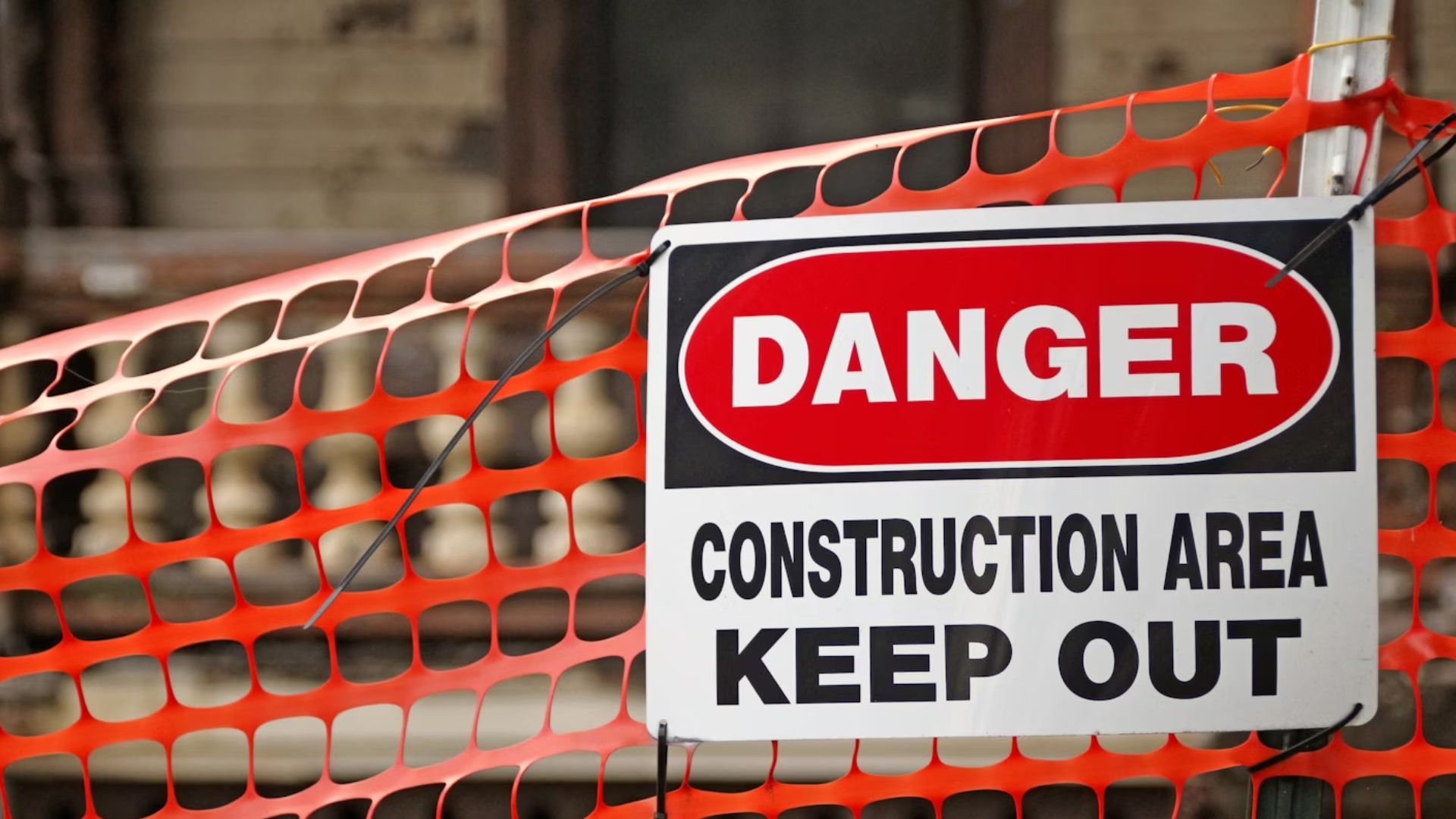
Florida – In Florida, the familiar sight of orange cones and flashing signs carries a deeper message this week. The Florida Department of Transportation is marking National Work Zone Awareness Week with a renewed push to protect both road workers and drivers, highlighting a series of innovations designed to reduce risks in construction zones across the state.
Observed each year, the campaign is meant to draw attention to the dangers present in active work zones—areas where traffic patterns shift, lanes narrow, and workers operate just feet away from moving vehicles. But this time, the focus extends beyond awareness. FDOT is emphasizing action, pointing to tangible steps already underway to make these environments safer through technology, engineering, and public education.
“Our roadside crews work around the clock to deliver projects and maintain Florida’s transportation infrastructure,” said Florida Department of Transportation Secretary Jared W. Perdue, P.E. “Let’s keep them safe in work zones. Please remember to slow down, move over, and stay alert and free of distractions.”
Behind the message is a growing sense of urgency. Work zones remain high-risk areas, not only for those wearing hard hats and safety vests, but also for everyday drivers. National data continues to show that the majority of fatalities in these zones involve motorists or passengers, underscoring how shared responsibility plays a critical role in preventing tragedies.
Read also: Woman arrested after allegedly stabbing man during early morning domestic incident in Pompano Beach
To address these risks, FDOT has been investing heavily in new ideas—some of which are already changing how work zones function. A centerpiece of this effort is the Safety Work Zone Innovation for Today and Tomorrow, or SWIFTT Challenge, a program launched in 2024 to bring fresh thinking into the field. By inviting collaboration between private companies, industry experts, and public agencies, the initiative aims to fast-track practical solutions to long-standing safety concerns.
The results are beginning to show. Winning technologies from the first challenge were deployed on interstate resurfacing projects as early as January 2025. These systems combine advanced tools such as LiDAR sensors, radar, cameras, and wearable devices to create a kind of digital safety net. Workers equipped with smart watches and alert speakers can receive early warnings when a potential خطر approaches, giving them precious seconds to react.
It is a shift that moves beyond passive safety measures into something more dynamic—real-time awareness powered by data. And the innovation has not stopped there. During the second SWIFTT Challenge in late 2025, another breakthrough emerged: a truck-mounted robotic pavement marking system. Unlike traditional methods that require crews to work directly in traffic lanes, this system automates the process, using geolocation technology to guide precise line placement. The result is a safer and more efficient way to complete essential roadwork while minimizing exposure to danger.
Parallel to these advancements is the continued rollout of Smart Work Zones, a concept that has steadily expanded since its introduction in early 2024. These zones rely on portable technology to monitor traffic conditions as they evolve. Sensors placed throughout a construction area gather data on vehicle speeds, congestion levels, and traffic flow, allowing for quick adjustments when conditions change.
For drivers, the impact is immediate. Variable message signs provide real-time updates—alerting motorists to lane closures, speed reductions, or alternative routes. In theory, this reduces confusion, prevents sudden braking, and helps maintain a smoother flow of traffic through construction areas. In practice, it can mean the difference between a close call and a safe passage.
Read also: Pembroke Pines launches America 250 art celebrations with citywide events for all ages
Still, even the most advanced systems cannot eliminate risk entirely. Officials stress that technology must be paired with responsible driving behavior. This year’s campaign theme, “Safe Actions Save Lives,” reflects that reality. It is a straightforward message, but one that carries weight: the choices drivers make behind the wheel directly affect the safety of everyone in and around a work zone.
Simple actions—staying alert, following posted speed limits, avoiding distractions, and keeping a safe distance—can significantly reduce the likelihood of accidents. These are not new rules, but in the context of work zones, they take on added importance.
There is also a broader perspective at play. Work zones are temporary, but the infrastructure they support is permanent. Every lane resurfaced, every marking repainted, every repair completed contributes to a transportation system that millions rely on daily. Ensuring that the people performing this work can do so safely is not just a matter of policy—it is a matter of basic responsibility.
As Work Zone Awareness Week continues, FDOT’s message is clear. Innovation is making a difference. Engineering solutions are evolving. But the final piece of the puzzle rests with the public.
In the end, a safer work zone is not built by technology alone. It is shaped by awareness, attention, and the collective effort of everyone who passes through it.



Two Pine Crest seniors named semifinalists for 2027 Coca-Cola scholarships

West Palm Beach invites businesses to explore city grants and incentives

West Palm Beach to host free startup workshop for aspiring business owners

Boca Raton chef faces DUI and drug charges after deputies report 102 mph pursuit

Hollywood reminds residents that early voting begins October 19

Broward School Board approves free menstrual products pilot at at least seven schools

Florida permanently protects nearly 1,500 acres across two working cattle ranches

Pine Crest student Alaina Jamal earns recognition for three original poems

Fort Lauderdale opens new water treatment center as part of $666 million project

Broward commissioners approve possible legal action to access sheriff’s headquarters

Man arrested after Pompano Beach shooting leaves one person injured

Overnight lane and ramp closures scheduled on Broward highways through Oct. 29

Sinta Tantra’s Petals of the Moon brings new public art to southern West Palm Beach

DeSantis announces plans for hurricane tax-filing relief as FICPA awaits IRS confirmation

Greater Fort Lauderdale Alliance president and CEO Bob Swindell announces retirement in 2027
-
 South Florida Local News4 days ago
Overnight lane and ramp closures scheduled on Broward highways through Oct. 29
-
 South Florida Local News3 days ago
Florida permanently protects nearly 1,500 acres across two working cattle ranches
-
 South Florida Local News4 days ago
Man arrested after Pompano Beach shooting leaves one person injured
-
 South Florida Local News3 days ago
Fort Lauderdale opens new water treatment center as part of $666 million project