South Florida Local News
Florida’s two-day recreational spiny lobster sport season begins tomorrow as officials remind harvesters to follow licensing and safety rules

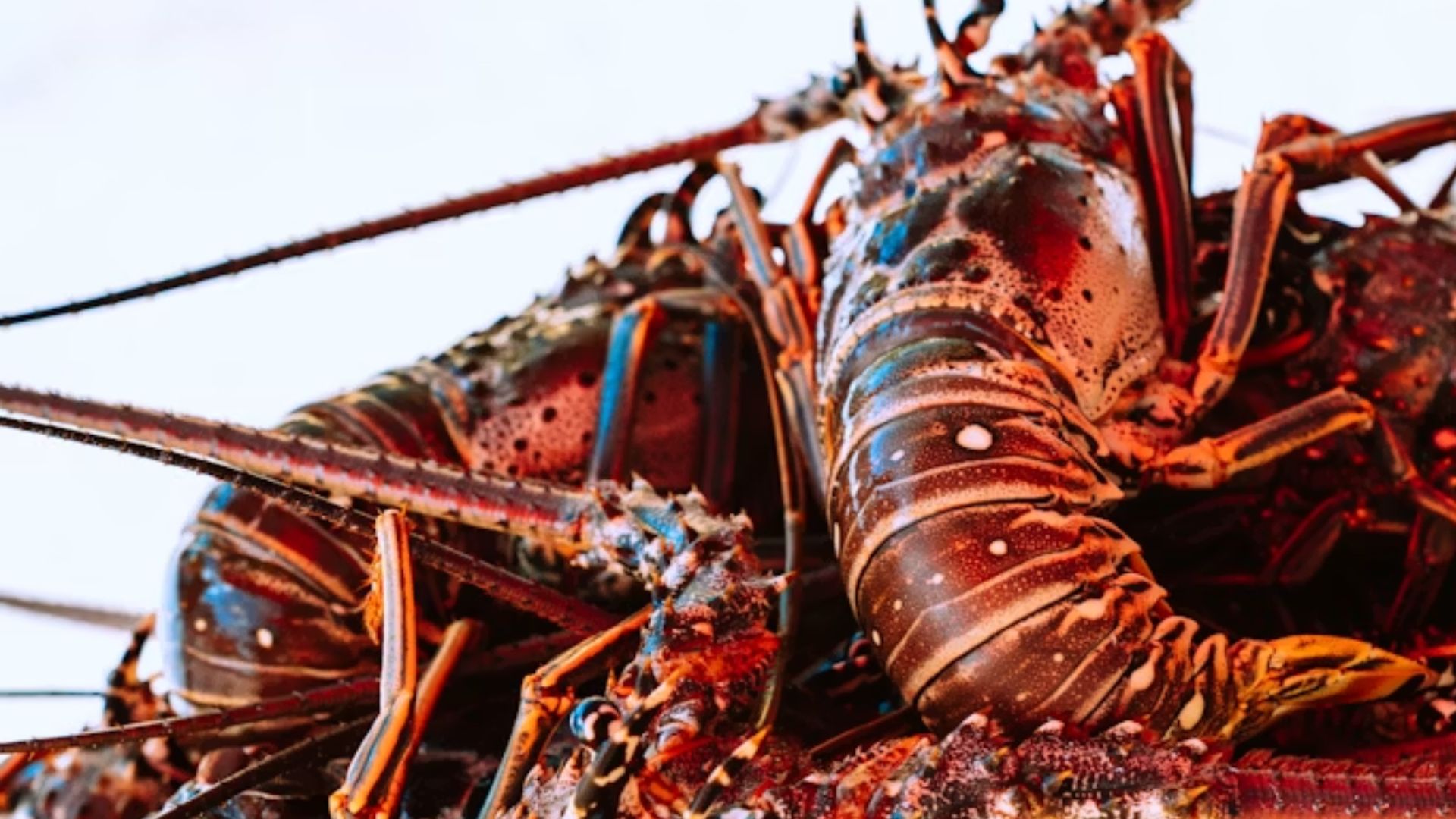
Florida – Florida’s highly anticipated recreational spiny lobster sport season is getting underway, giving thousands of anglers and divers across the state their first opportunity of the year to harvest one of Florida’s most popular seafood species. The special two-day season runs July 29 and 30 before the regular commercial and recreational season opens on Aug. 6 and continues through March 31, 2027.
As the sport season begins, the Florida Fish and Wildlife Conservation Commission (FWC) is reminding participants to review licensing requirements, harvest regulations, and boating safety guidelines before heading onto the water.
Anyone planning to harvest spiny lobster must possess a valid Florida saltwater fishing license along with a spiny lobster permit unless they qualify for an exemption. Officials are encouraging participants to make sure all required licenses and permits are secured before beginning their trip.
The two-day sport season includes different daily bag limits depending on where people are harvesting. In Monroe County and the waters of Biscayne National Park, recreational harvesters may keep up to six lobsters per person each day. In all other Florida waters, the daily recreational limit increases to 12 lobsters per person.
FWC officials emphasize that the daily limits apply only to individuals who are properly licensed, or legally exempt, and who are actively participating in harvesting. People who are not collecting lobsters themselves cannot be included as part of another person’s allowable catch.
Read also: Brightline train slams into woman’s car in Fort Lauderdale leaving her injured
Several harvest regulations also remain in effect throughout the season to help protect Florida’s spiny lobster population.
Every harvested lobster must have a carapace measuring more than three inches in length. The measurement must be taken while the lobster is still in the water, and harvesters are required to carry a measuring device with them at all times.
Egg-bearing female lobsters are protected and cannot be harvested under any circumstances. In addition, harvested lobsters must remain whole, meaning separating the tail from the body before returning to shore is prohibited.
The use of equipment that punctures, penetrates, or crushes the lobster’s shell is also against state regulations.
For those planning to use bully nets, wildlife officials are asking participants to be considerate of residents living along Florida’s waterways. Harvesters are encouraged to direct lights toward the water rather than nearby homes or people and to reduce unnecessary noise while operating during nighttime hours.
The 2026 season also offers an added incentive for participants involved in the Florida Lionfish Challenge. Recreational participants who harvest and report at least 25 lionfish, along with commercial participants who harvest at least 50 pounds of lionfish, may qualify to keep one additional spiny lobster each day during the two-day sport season.
To receive the extra lobster allowance, eligible participants must carry their official 2026 FWC-issued Lionfish Challenge coin while harvesting. The incentive is intended to encourage continued removal of invasive lionfish, which pose significant threats to Florida’s native marine ecosystems.
Beyond harvest regulations, the FWC is placing a strong emphasis on safety as thousands of boaters and divers head into coastal waters.
Officials encourage everyone aboard a vessel to wear a life jacket whenever the boat is underway. They also remind operators that boating under the influence of alcohol or drugs is illegal and significantly increases the risk of serious accidents on the water.
Divers and boaters alike are also being reminded to follow Florida’s divers-down flag regulations.
Divers must remain within 300 feet of a properly displayed divers-down flag while in open water. When diving near an inlet or navigation channel, that distance decreases to 100 feet. Boaters approaching a divers-down flag are required to slow to idle speed once they enter those designated safety zones in order to protect people in the water.
Read also: Florida schedules media briefings for the execution of Dominick A. Occhicone Jr.
The annual spiny lobster sport season traditionally attracts large crowds to Florida’s coastal communities, generating increased activity at marinas, boat ramps, bait shops, and waterfront businesses. Wildlife officials hope that by following regulations and practicing safe boating habits, participants can enjoy a successful and responsible season.
Before setting out, the FWC encourages harvesters to review all current regulations, obtain the required licenses and permits through the state’s online licensing system, and familiarize themselves with any local restrictions that may apply to their planned fishing areas.
With the two-day sport season now underway and the regular season set to begin on Aug. 6, Florida officials say responsible harvesting, respect for fellow boaters and waterfront residents, and adherence to state regulations will help ensure another successful spiny lobster season through the end of March 2027.



Dania Beach Art Week to bring together artists, galleries, musicians and creative businesses for a citywide celebration

Las Vegas Raiders select UKG to connect their workforce across football, business and gameday operations

YMCA of South Florida celebrates the grand opening of the Barbara and Philip Wong Aquatic Center at its South Dade Family Center

New York man accused of meth trafficking after Fort Lauderdale traffic stop uncovers drugs cash and firearm

BCPS provides new details about Secure the Next Generation Referendum renewal heading to Broward voters in November

Broward man arrested after allegedly threatening to kill couple eating at McDonald’s in Oakland Park

Florida Department of Education receives $6.6 million federal grant to expand work-based learning opportunities for students statewide

West Palm Beach selects five local artists to transform public spaces through The Commons 5 Artists 5 Spaces

Broward County Public Schools to honor the 25th anniversary of 9/11 with memorial ceremonies across the district

Steve Ross buys major Boca Raton property as Related Ross plans large mixed-use development

FLHSMV releases statement after international cybercriminal organization carries out data breach in Florida

Fort Lauderdale Mayor Dean Trantalis shares warm Rosh Hashanah wishes with everyone celebrating the Jewish New Year

Pompano Beach City Commission schedules two special budget hearings for fiscal year 2027 financial decisions

Broward woman accused of repeatedly scamming elderly victims misses court hearing as investigators search for her

Florida launches new program to help veterans and military spouses transfer professional licenses and keep working after moving
-
 State4 days ago
FLHSMV releases statement after international cybercriminal organization carries out data breach in Florida
-
 South Florida Local News5 days ago
Florida launches new program to help veterans and military spouses transfer professional licenses and keep working after moving
-
 Crime5 days ago
Broward woman accused of repeatedly scamming elderly victims misses court hearing as investigators search for her
-
 South Florida Local News4 days ago
Steve Ross buys major Boca Raton property as Related Ross plans large mixed-use development