South Florida Local News
Apalachicola Bay reopens for commercial and recreational oyster harvesting for the first time since 2020 beginning January 1

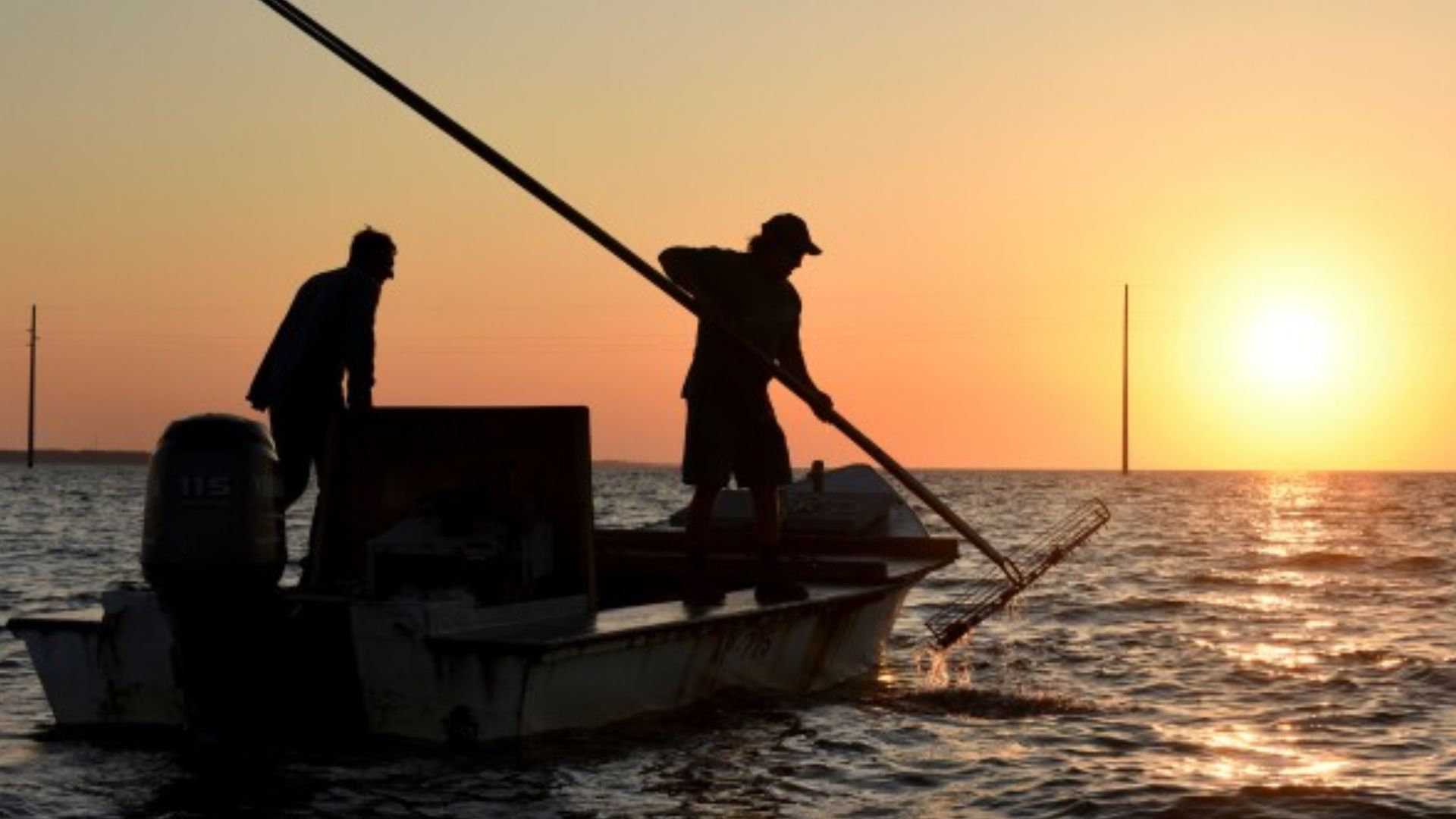
Apalachicola, Florida – After nearly six years of closure, Apalachicola Bay is reopening for commercial and recreational oyster harvesting, marking a major milestone in the restoration of one of Florida’s most iconic fisheries. Beginning January 1 and running through February 28, 2026, the bay will welcome Apalachicola Bay Endorsement holders and Apalachicola Bay Recreational Opportunity Permit holders back to harvest oysters, signaling a hopeful resurgence for both the ecosystem and the local economy.
“This marks the beginning of a new year, and a new beginning with the reopening of the Apalachicola Bay, which has served as a vital estuary for decades,” said Florida Fish and Wildlife Conservation Commission (FWC) Executive Director Roger Young. “We are grateful for the dedication and support provided by Governor DeSantis, the Florida Legislature, FWC Commissioners and staff, the National Fish and Wildlife Foundation, Franklin County, the Partnership for a Resilient Apalachicola Bay, the State University System, State Agencies, oyster harvesters and other stakeholders and the local community. Everyone has worked very hard to bring back this ecologically and culturally important resource and the oyster industry that benefits the communities and the economy.”
The reopening comes after years of investment aimed at reviving the Apalachicola Bay ecosystem. Over the past two decades, declines in oyster reef habitats led to a collapse in oyster populations, prompting closures in 2020 to protect the resource. Since 2019, more than $38 million has been invested in restoration projects to rebuild oyster reefs and support a sustainable fishery. These efforts, supported by both public and private entities, have restored enough oyster abundance in targeted areas to allow harvest once again.
During the November 2025 Commission Meeting, the FWC approved a revised oyster management plan for Apalachicola Bay and established new annual harvest seasons based on observed oyster abundance. This careful approach ensures that the reopening balances the economic needs of harvesters with the ecological sustainability of the bay. Commercial and recreational applications for the 2026 harvest season were accepted between November 10 and December 16, with approved commercial endorsements receiving a share of roughly 4,700 bags available for harvest. Recreational permit holders are allowed to harvest one bag per season, ensuring the opportunity is shared among all eligible participants.
Historically, Apalachicola Bay has been a cornerstone of Florida’s oyster industry, shaping the culture and economy of Franklin County and the Central Panhandle. At its peak, the bay accounted for nearly 90 percent of Florida’s commercial oyster landings and roughly 10 percent of the wild oysters harvested in the United States. The collapse of the fishery in 2013 prompted the FWC to issue 20 executive orders aimed at reducing harvest pressure and eventually led to a full closure in 2020. Subsequent rulemaking implemented a five-year closure starting in 2021 to allow oyster reefs time to recover from low abundance.
The restoration process has been intensive and collaborative. The FWC, in partnership with the Florida Department of Environmental Protection and other stakeholders, conducted ongoing monitoring, reef restoration, and habitat enhancement projects funded by the National Fish and Wildlife Foundation and later supported by the Governor and Legislature. These efforts have rebuilt oyster reefs in specific locations, which are now the only areas in the bay with sufficient oyster abundance to support harvesting.
To ensure long-term sustainability, FWC will continue to monitor oyster populations and set harvest levels based on observed abundance. This data-driven approach helps maintain the delicate balance between resource recovery and economic activity. After the January 1 – February 28 season, the next harvest period is scheduled from October 1, 2026, through February 28, 2027, allowing managers to plan for sustainable and consistent access to the fishery.
The reopening of Apalachicola Bay represents more than just economic opportunity; it is a cultural restoration for local communities that have relied on oysters for generations. Commercial harvesters, recreational enthusiasts, and associated businesses alike are poised to benefit from the renewed access, which promises both immediate and long-term positive impacts for Franklin County.
Those interested in participating in the 2026 oyster harvest are encouraged to review regulations and requirements. Commercial oyster harvesters can find more information at MyFWC.com/fishing/saltwater/commercial/oysters/, while recreational harvesters can consult MyFWC.com/fishing/saltwater/recreational/shellfish/ to ensure compliance with seasonal rules.
With years of careful planning, restoration efforts, and stakeholder collaboration, the reopening of Apalachicola Bay stands as a testament to the resilience of both the ecosystem and the people who depend on it. As harvesters return to the waters in early January, the hope is that the bay’s oysters will continue to thrive, supporting a sustainable fishery and preserving a cherished tradition for future generations.



Two Pine Crest seniors named semifinalists for 2027 Coca-Cola scholarships

West Palm Beach invites businesses to explore city grants and incentives

West Palm Beach to host free startup workshop for aspiring business owners

Boca Raton chef faces DUI and drug charges after deputies report 102 mph pursuit

Hollywood reminds residents that early voting begins October 19

Broward School Board approves free menstrual products pilot at at least seven schools

Florida permanently protects nearly 1,500 acres across two working cattle ranches

Pine Crest student Alaina Jamal earns recognition for three original poems

Fort Lauderdale opens new water treatment center as part of $666 million project

Broward commissioners approve possible legal action to access sheriff’s headquarters

Man arrested after Pompano Beach shooting leaves one person injured

Overnight lane and ramp closures scheduled on Broward highways through Oct. 29

Sinta Tantra’s Petals of the Moon brings new public art to southern West Palm Beach

DeSantis announces plans for hurricane tax-filing relief as FICPA awaits IRS confirmation

Greater Fort Lauderdale Alliance president and CEO Bob Swindell announces retirement in 2027
-
 South Florida Local News4 days ago
Overnight lane and ramp closures scheduled on Broward highways through Oct. 29
-
 South Florida Local News3 days ago
Florida permanently protects nearly 1,500 acres across two working cattle ranches
-
 South Florida Local News4 days ago
Man arrested after Pompano Beach shooting leaves one person injured
-
 South Florida Local News3 days ago
Fort Lauderdale opens new water treatment center as part of $666 million project