South Florida Local News
FWC thanks building owners across Florida for providing safe rooftop nesting spaces for shorebirds and seabirds during breeding season

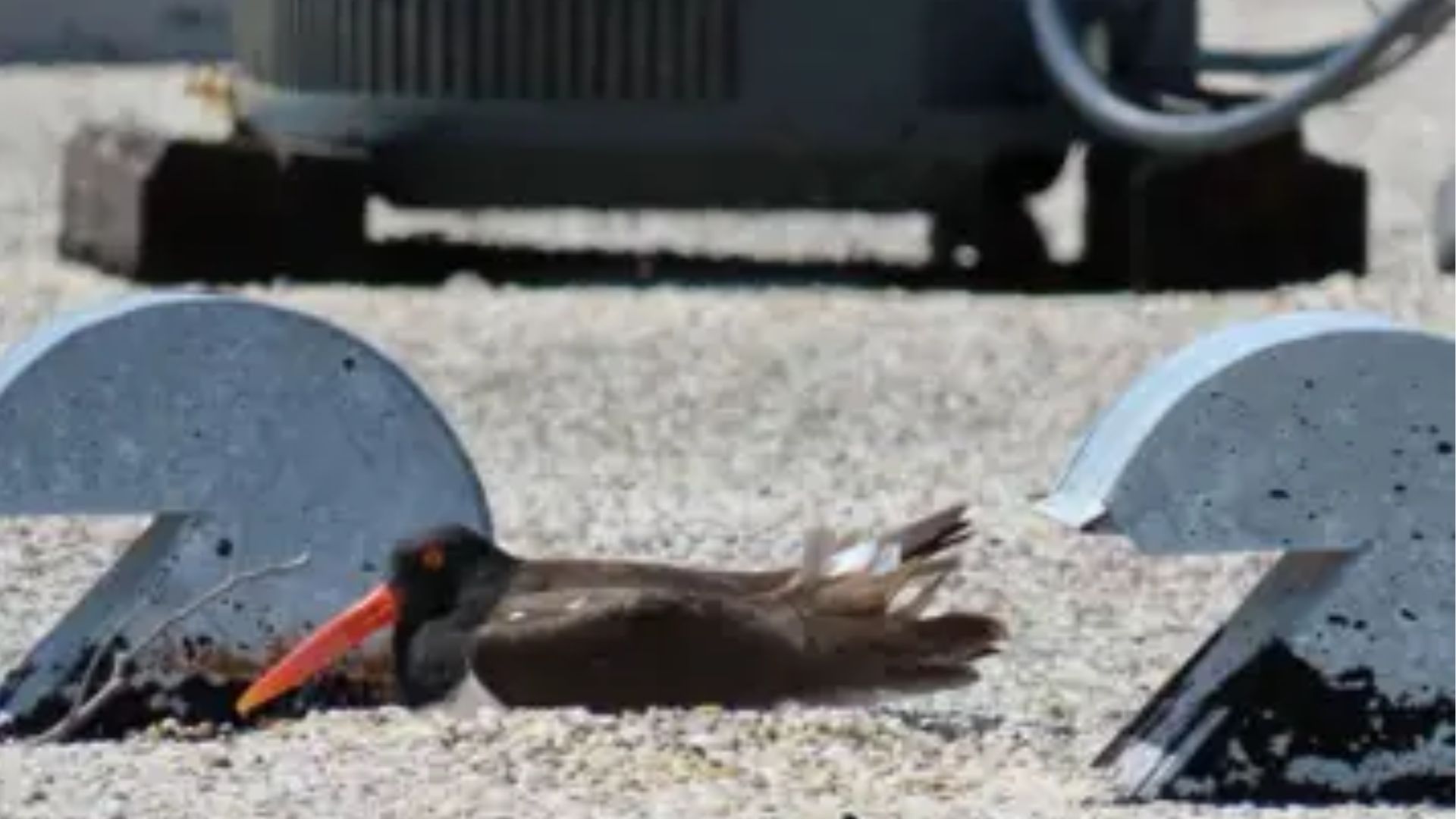
Florida – Along Florida’s coastline, the rhythm of spring brings more than warmer weather and crowded beaches. It signals the start of a delicate and often overlooked cycle—nesting season for shorebirds and seabirds. While many people picture these birds settling directly on sandy shores, a growing number are finding refuge in an unexpected place: rooftops.
This year, the Florida Fish and Wildlife Conservation Commission is shining a light on that quiet partnership between wildlife and the built environment. Officials are expressing appreciation to building owners and managers who have unknowingly—or sometimes deliberately—become stewards of vital nesting habitat.
Across coastal communities, flat gravel rooftops have become surrogate beaches. Species such as the black skimmer, least tern, roseate tern, and American oystercatcher are increasingly using these elevated spaces to lay eggs and raise their young. The shift is not just a matter of convenience—it is, in many cases, a necessity.
Natural nesting grounds along beaches face constant pressure. Human activity, development, predators, and changing environmental conditions have made traditional sites less reliable. In contrast, rooftops can offer a safer, more stable alternative. Free from heavy foot traffic and often mimicking the texture of sandy or shelly terrain, these surfaces provide a surprising sense of security.
The numbers tell a compelling story. Roughly half of Florida’s least tern population now depends on rooftops for nesting. That statistic alone underscores how critical these spaces have become in sustaining certain bird populations, many of which are considered imperiled.
Nesting activity varies depending on species and location, but the broader season stretches from mid-February through early September. Some birds, like the American oystercatcher, may begin nesting as early as February in certain regions. Others follow later, creating a long and active window during which rooftops transform into nurseries high above the ground.
For property owners, this can present both an opportunity and a responsibility. The presence of nesting birds may require adjustments to routine operations, especially when it comes to maintenance and repairs. Wildlife officials recommend postponing non-essential work until after the nesting season concludes. It is a small but meaningful step that can significantly increase the chances of survival for eggs and chicks.
When unexpected repairs cannot be delayed, guidance is available. FWC regional shorebird biologists work directly with property managers to assess situations, determine whether permits are needed, and offer practical solutions that minimize disruption to the birds. This collaborative approach reflects a broader effort to balance human needs with environmental protection.
Even for those who do not own or manage buildings, there are ways to contribute. Visitors staying at hotels or frequenting businesses with rooftop nesting birds are encouraged to acknowledge and support these conservation efforts. A simple gesture of appreciation can reinforce the importance of protecting these temporary habitats.
Beyond rooftops, behavior on beaches also plays a crucial role. Maintaining a safe distance—at least 300 feet—from nesting birds helps prevent unnecessary stress. When people or pets get too close, birds may leave their nests, exposing eggs and chicks to heat, weather, and predators. These brief disturbances can have lasting consequences.
Pets, in particular, can pose a hidden threat. Even well-trained dogs can unintentionally frighten birds, triggering defensive reactions or abandonment of nests. Choosing pet-friendly beaches and following leash laws helps reduce that risk.
Cleanliness matters as well. Trash left behind on beaches does more than spoil the view—it attracts predators like raccoons and crows, which prey on eggs and young birds. Discarded fishing lines and plastic debris can entangle wildlife, causing injury or death. Proper disposal of waste, including fishing gear, is a simple yet powerful way to protect coastal ecosystems.
There are also subtle hazards that many beachgoers might overlook. Holes dug in the sand, for example, can trap small animals or disrupt the natural movement of wildlife. Similarly, leaving behind chairs, umbrellas, or other gear overnight creates obstacles, especially for species that are active after dark. Filling in holes and clearing the beach before sunset helps maintain a safer environment for nesting birds and other coastal creatures.
In certain areas, additional protections are in place. Designated Critical Wildlife Areas serve as sanctuaries for high concentrations of nesting birds. These zones are clearly marked and temporarily closed to public access during nesting periods. Respecting these boundaries—whether on foot or by boat—helps ensure that birds can breed and raise their young without disturbance.
The growing reliance on rooftops as nesting sites highlights both a challenge and an opportunity. It reflects the pressures facing natural habitats, but also demonstrates how human spaces can be adapted, intentionally or not, to support wildlife. In this case, buildings become more than structures—they become lifelines.
For the FWC, the message is clear. Conservation is not limited to remote preserves or protected lands. It happens in cities, on coastlines, and even above our heads. Every rooftop that hosts nesting birds represents a small victory, a place where nature persists despite changing surroundings.
As spring unfolds and the nesting season continues, the partnership between people and wildlife remains essential. Whether through mindful maintenance, respectful observation, or simple awareness, each action contributes to a larger effort.
In the end, the success of these birds depends not just on where they choose to nest, but on how those spaces are treated. And in Florida, thanks to the cooperation of building owners, residents, and visitors alike, many of those rooftops are becoming safe havens—quiet, elevated, and full of life.



FWC seeks public input on potential changes to African Pompano harvest regulations in Florida

FICPA legislative update highlights advocacy efforts as Florida moves closer to the 2026 election season

Twenty-four Pine Crest School seniors named Commended Scholars in 2026 National Merit Scholarship Program

Town of Davie hosts Halloween Happenings with Police and Fire Rescue Trunk-or-Treat at Bergeron Rodeo Grounds

Hollywood residents urged to prepare for King Tides and possible flooding in low-lying areas

Clematis Street railroad crossing to close for two days while crews complete scheduled maintenance

Fort White Depot earns National Register of Historic Places designation for its role in Florida’s transportation history

Florida launches newly designed driver licenses and identification cards with updated security features and historic state imagery

Nation’s No. 1 Best Farmers Market returns to West Palm Beach for its 32nd season with global flavors and local vendors

BCPS and the Flying Classroom bring students and families together for the 2026 Fall STEM Fest on October 3

Florida Department of Children and Families highlights statewide suicide prevention resources and partnerships during September awareness month

Pompano Beach’s Drone Show Extravaganza returns for its fifth year with 500 drones lighting up the night sky

FWC to host free workshop in Venus to help livestock owners prevent and reduce conflicts with wildlife

FDOT issues updated traffic impact report detailing upcoming road construction and lane closures across Davie and Broward County

Fort Lauderdale launches new Certificate of Use program on October 1 with new requirements for local businesses
-
 South Florida Local News4 days ago
BCPS and the Flying Classroom bring students and families together for the 2026 Fall STEM Fest on October 3
-
 South Florida Local News4 days ago
Pompano Beach’s Drone Show Extravaganza returns for its fifth year with 500 drones lighting up the night sky
-
 South Florida Local News4 days ago
Florida launches newly designed driver licenses and identification cards with updated security features and historic state imagery
-
 South Florida Local News2 days ago
Town of Davie hosts Halloween Happenings with Police and Fire Rescue Trunk-or-Treat at Bergeron Rodeo Grounds