South Florida Local News
Florida officials remind residents how to help sea turtles and hatchlings affected by storms and high waves

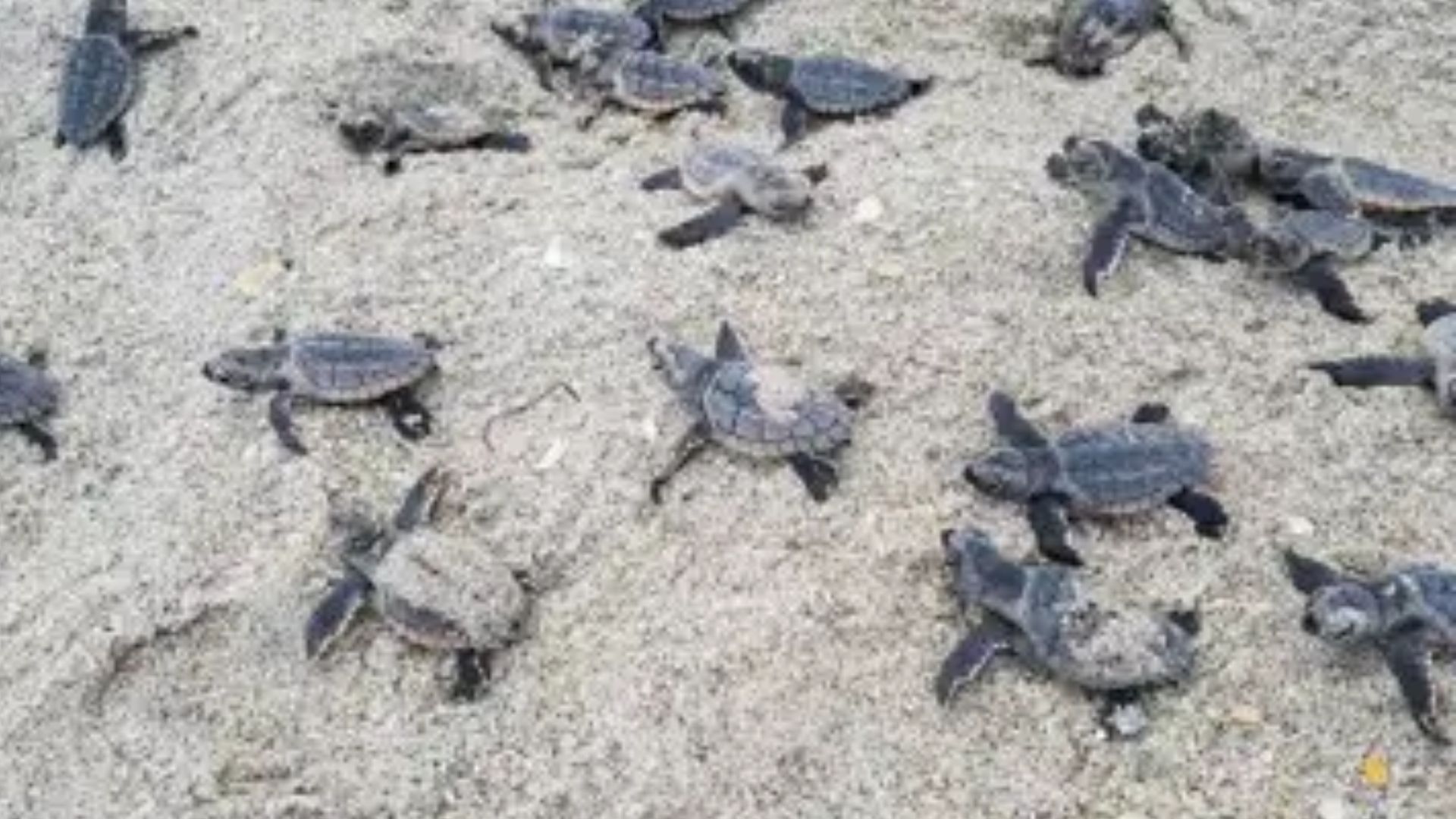
Florida – Florida’s sea turtle nesting season is still underway, and the state’s beaches may continue to see nesting activity through October. While sea turtles have evolved nesting habits that can withstand natural storms, strong winds and waves can still create difficult conditions for nests, hatchlings and adult turtles.
After a storm or another period of high winds and waves, beachgoers may notice sea turtles in places where they would not normally be found. Some hatchlings can become tangled in seaweed along the shoreline, while others may end up in yards, swimming pools or other areas away from the ocean.
The Florida Fish and Wildlife Conservation Commission is reminding the public that knowing what to do in those situations can make a difference. The agency is asking people who encounter stranded, trapped or injured sea turtles and hatchlings to contact wildlife officials rather than trying to handle the animals themselves.
One situation that can be particularly confusing involves very small sea turtles found among seaweed on the beach. After hatchlings leave their nests, they make a journey that can stretch for several miles across the sand and into the ocean. Once offshore, the young turtles seek floating plants that provide food and shelter.
Those plants, including patches of sargassum, can sometimes be pushed toward shore by storm winds and currents. Small posthatchling turtles can become caught in the floating vegetation and eventually wash up on the beach. These young turtles are sometimes referred to as “washbacks.”
Anyone who finds a washback should resist the temptation to return it to the water. The FWC says people should not pick up the hatchling or put it back into the ocean. Instead, they should immediately call the agency’s 24-hour Wildlife Alert Hotline at 888-404-FWCC (3922) and follow the instructions provided by wildlife officials.
There is an important exception. A sea turtle hatchling that is actively crawling toward the ocean does not need assistance. People should allow those turtles to continue their natural movement toward the water.
The public may also encounter sea turtle eggs after a storm. Strong waves can expose eggs that were buried in nests along the beach. Although it may seem helpful to move the eggs back into the sand, the FWC says sea turtle eggs rarely survive the disturbance caused by being swept out of their nests.
People who find exposed eggs should therefore leave them where they are. The eggs are not expected to survive after being removed from their nests, and attempting to relocate them could interfere with the natural process.
Storms do not necessarily mean the end of a nesting season for Florida’s sea turtles. Female turtles lay several nests during the season, which gives the population multiple opportunities for successful nesting. As a result, even when a tropical storm or hurricane affects the state during nesting season, some nests are likely to remain in conditions where they can incubate successfully.
The FWC also notes that Florida’s nesting sea turtles have continued to produce normal hatching and emergence results even during years when the state experienced direct impacts from several storms. In other words, a storm can damage individual nests without wiping out an entire nesting season.
There are also simple steps people can take to make Florida’s beaches safer for turtles while nesting continues.
One of the most important is keeping beaches clear. Beachgoers should take chairs, umbrellas, toys and other equipment with them when they leave for the day. Objects left overnight can become obstacles for nesting females or hatchlings trying to reach the water.
People who dig holes in the sand should fill them in before leaving. Small hatchlings and adult turtles can become trapped in holes that may seem harmless to people walking along the beach.
Trash should also be removed and disposed of properly. Fishing line deserves special attention because it can entangle wildlife. Recycling fishing line when possible can help reduce that risk.
Artificial light is another concern during the nesting season. People spending time near the beach at night should keep lights off when they are on or along the shoreline. Hatchlings naturally use light and the horizon to help find the ocean, and artificial lights can interfere with that behavior.
Anyone who sees a stranded, injured, trapped or dead sea turtle or hatchling should report it to the FWC’s Wildlife Alert Hotline at 888-404-FWCC (3922). The hotline operates around the clock and can provide guidance on what to do.
Florida’s sea turtle nesting season continues through October, giving residents and visitors several more weeks to help protect the animals. Simple actions such as clearing the beach, filling in holes, removing trash and keeping nighttime areas dark can reduce risks for turtles.
More information about Florida’s sea turtles and how to help is available through the FWC Sea Turtle information page.



Florida officials remind residents how to help sea turtles and hatchlings affected by storms and high waves

Florida Department of Education launches statewide B.E.S.T. Science Standards listening tour to gather public input

Blanche Ely High School unveils new student-run food truck through innovative partnership with Intuit

Florida adds eight more harvest days to the 2026 private recreational Gulf red snapper fishing season

Fort Lauderdale prepares for higher king tides and possible street ponding from September 26 through October 1

West Palm Beach City Commission approves final millage rates and nearly $950 million budget for the 2026/2027 fiscal year

Tri-Rail to increase fares by 10% beginning October 1, 2026 across South Florida

Pompano Beach Fire Rescue responds to early morning boat fire at Lauderdale-by-the-Sea dock

Historic Annie Beck House renovation reaches 90% completion as final work continues in Fort Lauderdale

Florida Lottery brings bigger jackpots five new Scratch-Off games and more ways to play this September

Commissioner Mike Yaworsky approves significant homeowners insurance rate decreases affecting more than 62,000 Florida policies

Pompano Beach Fire Rescue earns Florida PEDReady Gold Tier recognition for pediatric emergency readiness

Pine Crest celebrates 31 members of the Class of 2027 named National Merit Scholarship Semifinalists

West Palm Beach celebrates Hispanic Heritage Month with two nights of free music, dancing, food and cultural entertainment

Florida residents urged to live BearWise® and reduce conflicts with bears as fall food searches increase
-
 South Florida Local News3 days ago
Florida Lottery brings bigger jackpots five new Scratch-Off games and more ways to play this September
-
 South Florida Local News1 day ago
Fort Lauderdale prepares for higher king tides and possible street ponding from September 26 through October 1
-
 South Florida Local News4 days ago
West Palm Beach celebrates Hispanic Heritage Month with two nights of free music, dancing, food and cultural entertainment
-
 South Florida Local News3 days ago
Commissioner Mike Yaworsky approves significant homeowners insurance rate decreases affecting more than 62,000 Florida policies