State
Florida reminds boaters to go slow and look below as manatees begin their seasonal migration to warmer waters this winter

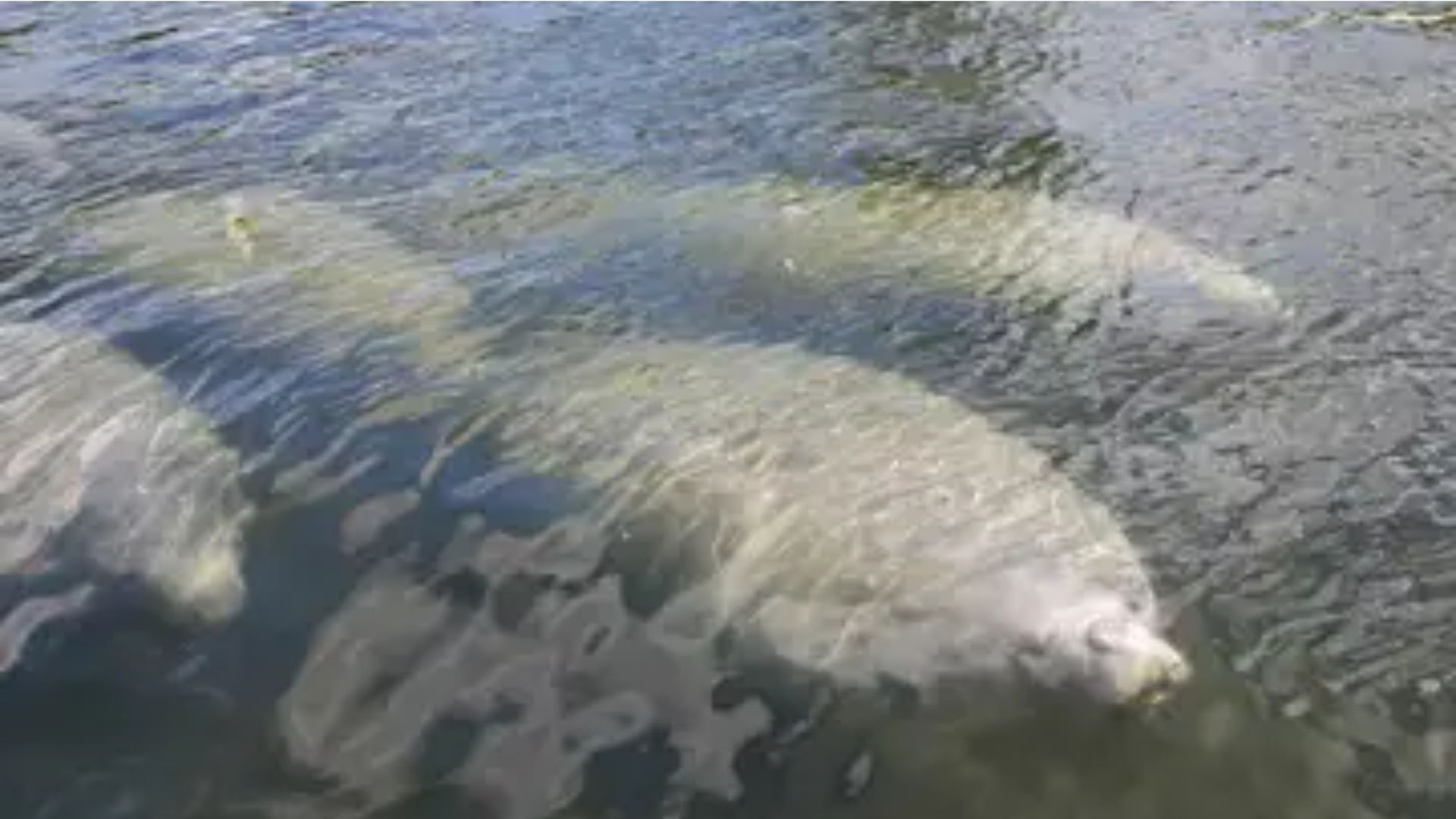
Florida – November marks Manatee Awareness Month in Florida, a time when attention turns to the state’s gentle giants as they begin their seasonal migration to warmer waters. The Florida Fish and Wildlife Conservation Commission (FWC) is urging boaters, personal watercraft users, and the general public to be extra vigilant, reminding everyone that this is a critical period for manatee safety.
“Manatees are highly dependent on safe and reliable warm-water sites to survive the winter,” said Michelle Pasawicz, FWC Manatee Management Program Coordinator. “As water temperatures drop below 68 degrees Fahrenheit, Florida’s manatees seek refuge at springs, power plant discharge areas and other warm water sites where they’ll spend the winter until temperatures rise again in spring.”
Despite their large size, manatees can be surprisingly difficult to spot in the water. Boaters are advised to take precautions such as wearing polarized glasses, reducing speed, and closely observing the water ahead. Seasonal manatee protection zones require careful navigation or avoidance altogether in designated areas to prevent potentially fatal collisions. These zones are clearly marked by signs along waterways, and maps of the zones are accessible online at MyFWC.com/MPZ.
Boat strikes remain one of the leading threats to manatee populations. FWC law enforcement officers patrol Florida waters to ensure compliance with seasonal speed limits and manatee zones. Officers not only educate boaters about safe practices but also take enforcement action when necessary to protect these vulnerable animals. Boaters are reminded to follow posted regulations closely, as even brief lapses in attention can have devastating consequences for manatees.
“Disturbing manatees at these sites can cause them to swim out of protected areas and into potentially life-threatening cold water,” FWC officials warn. When observing manatees at warm-water refuges, it is crucial to give the animals space and avoid any actions that could stress or harass them. Florida law protects manatees from harassment, feeding, or harm, and violations carry serious penalties.
For those who encounter an injured, sick, or deceased manatee, it is essential to contact trained professionals rather than attempting to intervene directly. Reports should be made to FWC’s Wildlife Alert Hotline at 888-404-FWCC (3922). Handling a distressed manatee without proper training can endanger both the animal and the person involved, complicating rescue and recovery efforts.
FWC offers a range of educational resources for those interested in manatee conservation. The agency’s Manatee Viewing Guidelines, available on MyFWC.com/Manatee, provide practical tips for observing manatees responsibly, as well as detailed information on how boaters and watercraft operators can reduce risks to these slow-moving mammals. The guidelines also highlight broader conservation measures, helping residents and visitors contribute to long-term manatee protection.
Supporting manatee research and rescue initiatives is another way the public can make a difference. The FWC encourages donations through purchases of Florida manatee license plates or $5 contributions for collectible manatee decals, available at local Tax Collector offices. These funds directly aid research, rescue operations, and habitat management, helping ensure that Florida’s manatees continue to thrive despite increasing human pressures.
As Florida waters begin to cool, the state’s manatees move deliberately toward the warmth of natural springs and man-made refuges. For anyone enjoying Florida’s waterways, it is a season that calls for caution, awareness, and respect. Slowing down, watching carefully, and following all manatee protection measures can prevent tragedy and help preserve one of the state’s most iconic and beloved species.
With winter approaching, the simple rule for all waterway users is clear: go slow and look below. Every precaution taken can help Florida’s manatees reach their winter sanctuaries safely, ensuring that these gentle giants will continue to grace the state’s rivers, bays, and springs for generations to come.



Pine Crest School senior Lucia Lecour earns national recognition as a 2026 Coca-Cola Scholar for leadership and service

Vietnam Veterans Memorial Moving Wall will be on display at Bergeron Rodeo Grounds in Davie this April

Fort Lauderdale to resurface and improve the boat ramp at Riverland Woods Park for safer community access

Students step inside powerful Hate Ends Now cattle car exhibit to experience a deeply moving Holocaust education program

Governor Ron DeSantis unveils new statue honoring President James Monroe as Florida marks the long road toward America’s 250th birthday celebration

Tallahassee commissioner Jack Porter allegedly attacked during confrontation with woman who accused her of stealing a pet cat

Guy Harvey Foundation and Coastal Conservation Association Florida join forces to expand conservation education for Florida students and teachers

Broward Education Foundation hosts 29th annual Innovative Teacher IDEA Expo bringing together hundreds of educators from across Broward County

Broward County Public Schools to hold news conference immediately after school board budget workshop on February 17

James Uthmeier charges six individuals in organized cargo theft ring responsible for more than 30 thefts and nearly eight million dollars in losses across multiple Florida counties

Blaise Ingoglia announces arrest of licensed insurance agent accused of committing fraud and identity theft in Miami Dade County

Broward Sheriff’s Office missing persons detectives seek public help in locating 38-year-old woman reported missing in Fort Lauderdale

Attorney General James Uthmeier charges six suspects in organized cargo theft ring responsible for more than 33 thefts and nearly 8 million dollars in losses across Florida

Commissioner Wilton Simpson praises Fifth DCA ruling that blocks back-door attempt to legalize recreational marijuana in Florida
