Crime
Florida carries out execution of Richard Knight more than two decades after 2000 murders of a pregnant woman and her young daughter

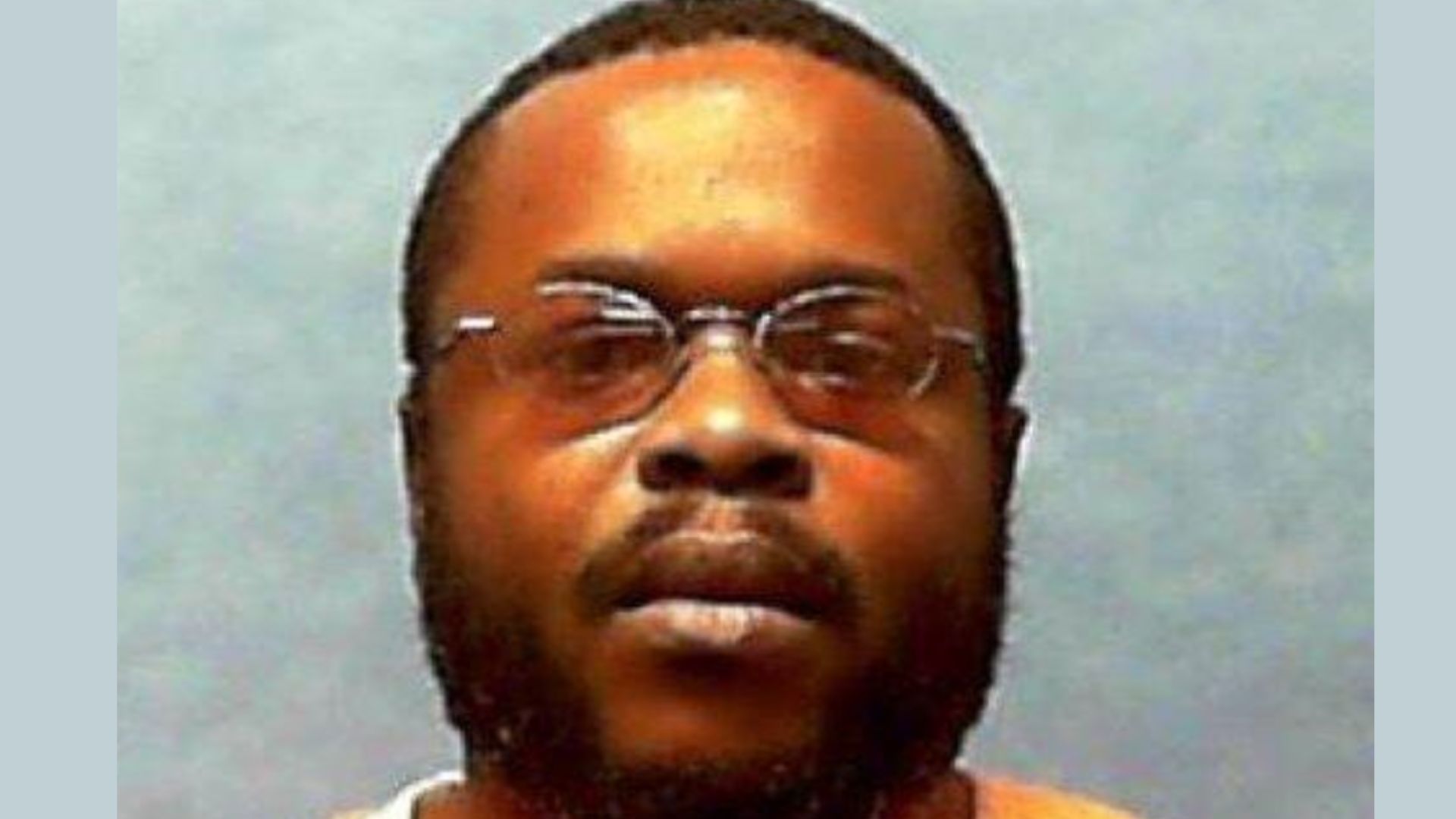
Coral Springs, Florida – Florida carried out the execution of death row inmate Richard Knight on Thursday evening, ending a case that has stretched more than two decades and remained one of the most closely followed capital punishment cases in the state.
Knight, 47, was pronounced dead at 6:13 p.m. EST after receiving a lethal injection at Florida State Prison, according to officials from the Florida Department of Corrections. His execution came 26 years after the brutal killings of a pregnant woman and her young daughter in Coral Springs, a case that prosecutors described as deeply violent and premeditated.
Knight was convicted on two counts of first-degree murder and sentenced to death in 2007 for the June 27, 2000 killings of Odessia Stephens and her 4-year-old daughter, Hanessia Mullings. The crimes shocked the local community at the time and later became a central case in Florida’s death penalty system.
According to trial evidence cited by prosecutors, Stephens had been the pregnant girlfriend of Knight’s cousin and had reportedly asked Knight to leave their shared home. That demand, prosecutors argued, triggered a violent response that led to the killings.
Authorities said Knight strangled Stephens and stabbed her 21 times. He then allegedly carried out a similar attack on her daughter, also resulting in her death. The details of the case were repeatedly referenced during court proceedings over the years, shaping the lengthy legal battle that followed.
Knight’s execution marks the seventh carried out in Florida this year, as the state continues a steady pace of capital punishment cases. Officials also noted that another execution, that of convicted murderer Andrew Lukehart, is scheduled for June 2.
In the final hours before Knight’s death, his attorneys made a last-ditch effort to halt the execution. The Florida Supreme Court rejected an emergency motion for a stay, allowing the process to move forward. The appeal referenced concerns raised after a recent execution in Tennessee, where officials encountered difficulties locating a vein for lethal injection procedures.
Despite those arguments, the execution proceeded without delay. Correctional officials confirmed the procedure was completed as scheduled, bringing closure to a case that has moved through years of appeals and legal reviews.
Following the execution, advocacy group Floridians for Alternatives to the Death Penalty strongly criticized the decision to proceed. The organization argued that serious concerns remained unresolved.
Floridians for Alternatives to the Death Penalty said he was executed “despite the presence of unresolved forensic evidence on the murder weapon, despite an execution protocol whose dangers had been demonstrated only hours earlier and despite the fact that he was sentenced to death under a law that the U.S. Supreme Court later ruled unconstitutional.”
The group further stated that Florida had proceeded under what it called “deeply troubling execution practices,” raising broader questions about the reliability and fairness of the state’s capital punishment system.
As the case concludes, it leaves behind a long and complicated record of legal battles, emotional testimony, and ongoing debate over the use of the death penalty in Florida and across the United States.



Boca Raton chef faces DUI and drug charges after deputies report 102 mph pursuit

Hollywood reminds residents that early voting begins October 19

Broward School Board approves free menstrual products pilot at at least seven schools

Florida permanently protects nearly 1,500 acres across two working cattle ranches

Pine Crest student Alaina Jamal earns recognition for three original poems

Fort Lauderdale opens new water treatment center as part of $666 million project

Broward commissioners approve possible legal action to access sheriff’s headquarters

Man arrested after Pompano Beach shooting leaves one person injured

Overnight lane and ramp closures scheduled on Broward highways through Oct. 29

Sinta Tantra’s Petals of the Moon brings new public art to southern West Palm Beach

DeSantis announces plans for hurricane tax-filing relief as FICPA awaits IRS confirmation

Greater Fort Lauderdale Alliance president and CEO Bob Swindell announces retirement in 2027

Davie extends free tree giveaway with two pickup windows on October 15

Hollywood’s Radius Garage to restrict access during work from October 19 through November 3

New River Middle School earns national certification for its Marine Science and iCAN magnet programs
-
 South Florida Local News4 days ago
Overnight lane and ramp closures scheduled on Broward highways through Oct. 29
-
 South Florida Local News3 days ago
Florida permanently protects nearly 1,500 acres across two working cattle ranches
-
 South Florida Local News4 days ago
Man arrested after Pompano Beach shooting leaves one person injured
-
 South Florida Local News3 days ago
Fort Lauderdale opens new water treatment center as part of $666 million project