South Florida Local News
Why your tap water may turn cloudy, brown, yellow or even pink

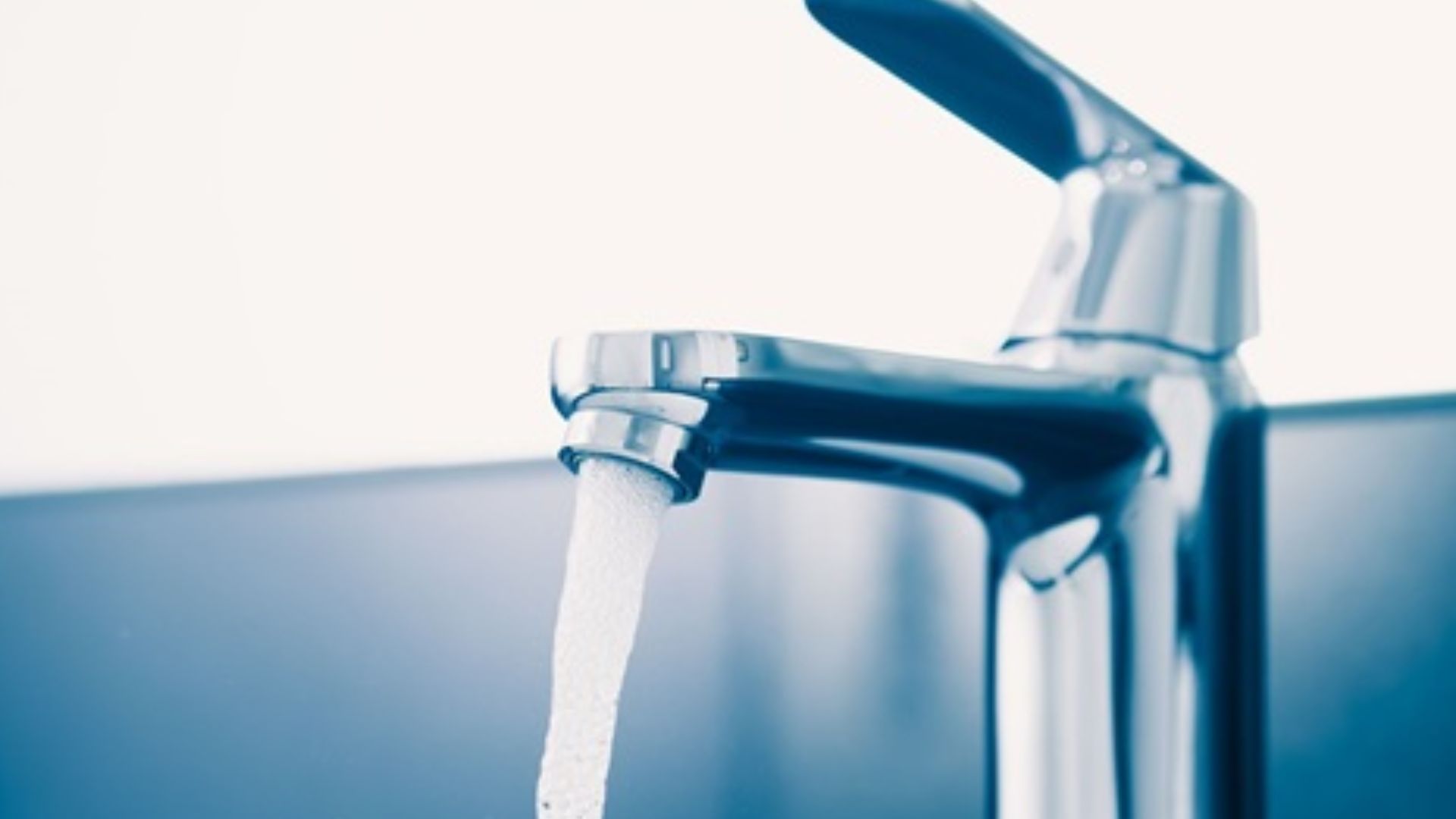
Miramar, Florida – Discolored tap water can be alarming, especially when the water suddenly turns cloudy, brown, yellow or even appears to have a black or pink substance around sinks and toilets. In many cases, however, the change in appearance has a simple explanation related to air, household plumbing, water heaters or activity in the public water system.
Knowing what may be causing the discoloration can help residents decide whether the problem is temporary, something that needs maintenance, or an issue that should be reported to the local water utility.
Cloudy or milky water is often caused by air
Water that looks white, cloudy or milky is commonly the result of tiny air bubbles suspended in the water. This condition is known as entrained air.
The bubbles can form when dissolved air is released as water warms. This can happen after water has been heated in a water heater or as it moves through warmer plumbing inside a home. The effect can be more noticeable during colder months because cold water can hold more dissolved air.
One simple way to determine whether air is responsible is to pour the water into a clear glass and let it sit for a short time. If the water gradually becomes clear as the bubbles rise to the surface, entrained air is likely the cause.
Residents can also reduce turbulence at faucets by using an aerator or flow restrictor. Recent plumbing work or disruptions to a water main can sometimes introduce additional air into the system, so those events may also be worth considering when cloudy water appears.
The good news is that cloudy water caused by entrained air is considered an aesthetic issue. It does not make the water unsafe to drink.
Brown or yellow water that clears after running the tap
A different situation occurs when tap water initially comes out brown or yellow but becomes clear after the faucet runs for several minutes.
This type of discoloration is often connected to plumbing inside the home. Older galvanized iron pipes can corrode over time, allowing rust and other material to come into contact with the water. The problem can become more noticeable after water has been sitting in the pipes for an extended period.
For example, water that has remained unused overnight or during a longer absence may pick up discoloration from corroded plumbing. Once the stagnant water is flushed from the pipes, the water may return to its normal appearance.
Running the affected faucet for several minutes can help clear the water. Homeowners with older galvanized iron plumbing may also want to consider replacing those pipes with materials that are more resistant to corrosion, including copper, PEX, PVC or cPVC.
Water heaters should also be maintained regularly. Flushing the unit can help prevent rust and sediment from building up inside the tank.
Although temporary brown or yellow water from internal plumbing generally does not present a significant health concern, it can affect the water’s appearance and taste. Persistent problems should be investigated, particularly in homes with older plumbing.
When brown or yellow water does not go away
Persistent discoloration can have a different source. If both hot and cold water remain brown or yellow, the cause may be related to the public water distribution system rather than the home’s plumbing.
Water main repairs, nearby fire hydrant activity or changes in the direction of water flow can disturb sediment and rust that have collected inside water distribution lines. When that material becomes stirred up, it can temporarily change the color of water coming into nearby homes.
Residents who notice this type of discoloration are advised to wait about 30 to 40 minutes before flushing the system. After that period, they can run the cold-water tap for several minutes to help remove the disturbed sediment.
During an episode of discolored water, it is also advisable to avoid doing laundry or running a dishwasher. Sediment and rust in the water can potentially stain clothing or other items.
If the discoloration continues rather than clearing, residents should report the problem to Miramar Customer Service at 954-602-4357 or [email protected] so the issue can be investigated.
This type of discoloration typically poses no known health threat, but it can be unpleasant to see and may affect the appearance of water used around the home.
Brown or yellow water from the hot tap only
There is another useful clue when trying to determine where discolored water is coming from: whether it appears only from the hot-water faucet.
If cold water is clear but hot water comes out brown or yellow, the water heater is a likely source. Rust inside the tank or accumulated sediment can affect the water.
A water heater experiencing this problem may need to be drained and flushed. Before doing so, the unit should be turned off and allowed to cool, and the work should be performed safely.
Read also: Recreational gag grouper season set for Sept. 1-30 in Florida Gulf state waters
The anode rod may also need attention. This component helps protect the inside of a water heater from corrosion, and a rod that has become significantly degraded may need to be replaced.
If discoloration continues after maintenance, homeowners should contact a licensed plumber. Addressing the problem early can help prevent further damage to the water heater.
In most cases, hot-water discoloration is viewed as a maintenance issue rather than a direct health concern, but it should not simply be ignored.
What causes black film around toilets and other areas?
Not all discoloration comes directly from the water itself. Residents may sometimes notice a black film or slimy material around toilets, sinks and other damp areas.
This buildup is usually associated with mold, mildew or biofilm. High moisture levels can encourage its growth, while bacteria and mineral deposits associated with hard water may also contribute.
Bathrooms are especially vulnerable because they regularly produce steam and moisture. Poor ventilation can allow that moisture to remain on surfaces, creating conditions where buildup becomes more likely.
Regular cleaning can help control the problem. Commercial cleaners containing a disinfectant such as chlorine bleach can be used on affected surfaces, following the product’s instructions.
Improving bathroom ventilation is another important step. Removing excess moisture can make the environment less favorable for mold, mildew and other buildup.
The black material is generally not considered harmful, but keeping it under control is important for household hygiene and to prevent unpleasant odors.
What is the pink stain around bathrooms and pet bowls?
Pink or reddish stains can be particularly surprising when they appear around sinks, showers, toilets or pet water bowls. Despite sometimes being called “pink mold,” the material is not actually mold.
The pink coloration is typically associated with the airborne bacterium Serratia marcescens. The organism thrives in moist and humid environments, which explains why it is often found in bathrooms and around places where water remains for long periods.
Regular cleaning is one of the best ways to control the buildup. A bleach-based cleaner can be used on affected surfaces, while better bathroom ventilation can help reduce the moisture that supports bacterial growth.
Standing water should also be minimized. Pet bowls, in particular, should be rinsed frequently and dried thoroughly.
For most healthy people, Serratia marcescens is generally harmless. However, the bacterium can become problematic if it enters the body through the eyes or open wounds. That makes good cleaning practices important even when the pink buildup appears to be only a cosmetic nuisance.
The appearance of water can provide useful clues
One of the most useful ways to understand discolored water is to pay attention to when and where the problem occurs.
Cloudy water that clears after sitting in a glass points toward tiny air bubbles. Brown or yellow water that disappears after a few minutes of flushing may suggest an issue with older household plumbing. If both hot and cold water remain discolored, activity in the public water system could be responsible.
On the other hand, discoloration that appears only in hot water is more likely to involve the water heater.
These differences can help residents avoid treating every water problem the same way.
Temporary changes do not necessarily mean the water supply is contaminated. In many cases, discoloration is connected to harmless air bubbles, rust, sediment or moisture-related buildup. Still, water that remains discolored should not be dismissed without checking the possible source.
For homeowners, basic maintenance can prevent some problems before they become more serious. Flushing older plumbing and water heaters, replacing severely corroded pipes, keeping bathrooms ventilated and cleaning damp surfaces regularly can all help.
When a problem appears to involve the public water system, reporting it is equally important. Utility officials can investigate possible main breaks, repairs, hydrant activity or other changes in the distribution network.
The key is to look at the pattern. A glass of cloudy water that clears on its own is very different from water that stays brown for hours. Likewise, a pink stain around a wet sink is a different issue from discoloration coming directly from a faucet.
Understanding those differences can make an unsettling change in the appearance of household water easier to identify and address.
For Miramar residents experiencing ongoing discolored water, the city’s customer service line at 954-602-4357 and [email protected] can be used to report the issue. Residents can also review available water and saltwater information through the city’s resources.
In many cases, the first step is simply to observe what happens after the water is allowed to stand or the faucet is run. From there, the source may become much clearer, helping determine whether the solution is as simple as flushing a pipe, maintaining a water heater, improving ventilation or contacting the local water utility.



Florida adds eight more harvest days to the 2026 private recreational Gulf red snapper fishing season

Fort Lauderdale prepares for higher king tides and possible street ponding from September 26 through October 1

West Palm Beach City Commission approves final millage rates and nearly $950 million budget for the 2026/2027 fiscal year

Tri-Rail to increase fares by 10% beginning October 1, 2026 across South Florida

Pompano Beach Fire Rescue responds to early morning boat fire at Lauderdale-by-the-Sea dock

Historic Annie Beck House renovation reaches 90% completion as final work continues in Fort Lauderdale

Florida Lottery brings bigger jackpots five new Scratch-Off games and more ways to play this September

Commissioner Mike Yaworsky approves significant homeowners insurance rate decreases affecting more than 62,000 Florida policies

Pompano Beach Fire Rescue earns Florida PEDReady Gold Tier recognition for pediatric emergency readiness

Pine Crest celebrates 31 members of the Class of 2027 named National Merit Scholarship Semifinalists

West Palm Beach celebrates Hispanic Heritage Month with two nights of free music, dancing, food and cultural entertainment

Florida residents urged to live BearWise® and reduce conflicts with bears as fall food searches increase

Garfield Garage construction project set to begin October 1 while garage remains open to the public

New York developers pour millions into Fort Lauderdale as they bet on the city’s growing real estate market

Fort Lauderdale United FC falls 2-1 to Dallas Trinity FC despite strong second-half comeback effort
-
 South Florida Local News4 days ago
New York developers pour millions into Fort Lauderdale as they bet on the city’s growing real estate market
-
 South Florida Local News4 days ago
Fort Lauderdale United FC falls 2-1 to Dallas Trinity FC despite strong second-half comeback effort
-
 South Florida Local News4 days ago
Garfield Garage construction project set to begin October 1 while garage remains open to the public
-
 South Florida Local News2 days ago
Florida Lottery brings bigger jackpots five new Scratch-Off games and more ways to play this September