South Florida Local News
Commissioner Wilton Simpson announces permanent protection for four Florida farms and ranches

Tallahassee, Florida – More than 2,600 acres of working agricultural land across four Florida farms and ranches will remain protected from future development under a state conservation program, Commissioner of Agriculture Wilton Simpson announced.
The properties, located in Hardee and Marion counties, have been permanently protected through the Florida Department of Agriculture and Consumer Services’ Rural and Family Lands Protection Program. The program is designed to keep agricultural land in production while also protecting natural areas, water resources and wildlife habitat.
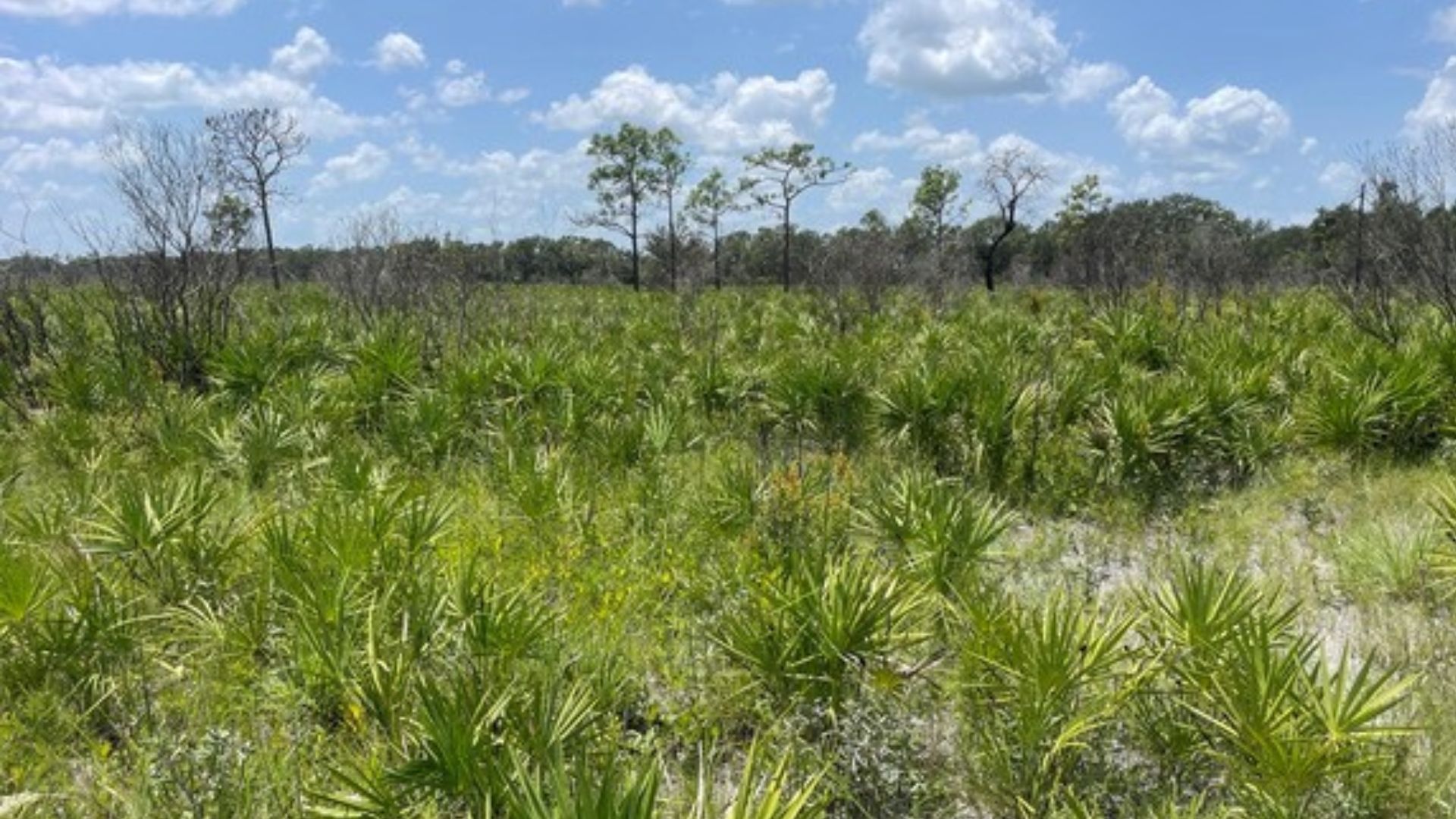
The newly protected properties include cattle ranches, a peanut farm, cropland, citrus groves, wetlands and forested areas. Together, they represent a large stretch of working rural land that will remain available for agriculture rather than being converted to other development.
“The Rural and Family Lands Protection Program is the most cost-effective conservation tool Florida has to permanently protect our food supply, natural resources, and wildlife habitat from development,” said Commissioner Wilton Simpson. “Thanks to historic investments in the Rural and Family Lands Protection Program from the Florida Legislature and Governor Ron DeSantis, we’re ensuring Florida’s farmers, ranchers, and producers can continue feeding and supporting Florida families for generations to come.”
The four properties cover approximately 639 acres at Ludwig Property in Hardee County, 589 acres at Dale Wright Farms in Marion County, 672 acres at C&G Cattle – Charlie Creek in Hardee County and 779 acres at C&G Cattle – Fish Branch, also in Hardee County.
The protection is accomplished through rural lands protection easements. Rather than taking the properties out of private ownership, the program purchases development rights. The landowners can continue their agricultural operations while future development is restricted.
That distinction is important to the state’s approach to conservation. The goal is not simply to preserve open land, but to keep productive farms and ranches working while protecting the environmental features that surround them.
All four newly protected properties are enrolled in Florida Department of Agriculture and Consumer Services Best Management Practices. They are also located within the Florida Wildlife Corridor, a network intended to connect natural areas and wildlife habitat across the state.
The Florida Wildlife Corridor was established through state law in 2021 under the Florida Wildlife Corridor Act. Simpson, who was then serving as Senate President, was a key supporter of the legislation.
Ludwig Property
The Ludwig Property is an approximately 639-acre cow/calf operation in Hardee County. A rural lands protection easement totaling $3.85 million will prevent the property from being developed in the future.
The land sits along Bushy Creek, north of the point where the creek flows into Horse Creek. Horse Creek eventually reaches the Peace River, making the property’s location important not only for agriculture but also for the surrounding water system.
Bushy Creek crosses the western half of the property. Along the creek are mixed wetland hardwood forests and hammocks described as being in good natural condition.
The eastern side of the property contains pasture and cropland, while the western portion includes flatwoods and forested wetlands. Nearby land is a mixture of pasture, citrus operations and wetlands.
The arrangement allows the cattle operation to continue while keeping the creek corridor and surrounding natural areas protected.
Dale Wright Farms
In Marion County, approximately 589 acres at Dale Wright Farms will also remain protected from development.
The property is home to a cattle ranch and peanut farm. The rural lands protection easement is valued at $2.825 million, with $1.4 million coming through the U.S. Department of Agriculture’s Natural Resources Conservation Service-Regional Conservation Partnership Program.
Pasture covers much of the northern two-thirds of the property, along with smaller areas of upland and wetland forest. The southern third contains wetland forests and marshes bordering the Withlacoochee River.
The river forms the property’s southern boundary and provides a significant riparian buffer. The surrounding landscape includes timber plantations, sandhill habitat, wetlands and some low- and medium-density residential development.
Keeping the property in agricultural use also helps maintain a transition between developed areas and the river and wetland systems.
C&G Cattle – Charlie Creek
Another 672 acres have been protected at C&G Cattle – Charlie Creek in Hardee County.
The property is a cattle ranch located along Charlie Creek, which runs through the center of the land. The area includes pasture, citrus groves and forested wetlands.
The rural lands protection easement totals $4.995 million. Of that amount, $2,168,955 is being provided through the USDA Natural Resources Conservation Service-Agricultural Land Easements Program.
The project is also next to an existing Rural and Family Lands Protection Program easement, expanding a larger area of protected working land.
The combination of agricultural areas and wetlands makes the property valuable for more than cattle production. Keeping the land intact also helps protect the creek and natural areas that run through the ranch.
C&G Cattle – Fish Branch
The fourth property, C&G Cattle – Fish Branch, covers approximately 779 acres in Hardee County.
The cattle ranch has a roughly equal mix of pasture, fallow cropland and natural areas. Fish Branch Creek runs through the middle of the property, alongside mesic flatwoods, marshes and forested wetlands.
The easement totals $4.55 million, with $2,132,600 provided through the USDA Natural Resources Conservation Service-Agricultural Land Easements Program.
The surrounding landscape contains many of the same types of land found on the property, including pasture, citrus groves, agricultural fields, forests and wetlands.
Together, the four projects demonstrate the program’s focus on protecting working farms and ranches without removing them from agricultural production.
A long-term conservation strategy
The Rural and Family Lands Protection Program was established in 2001 after the passage of the Rural and Family Lands Protection Act. The program was created in recognition of the important role agricultural land plays in Florida’s economy and the growing pressure created by development.
Under the program, development rights are purchased through conservation easements. Landowners retain ownership and can continue farming, ranching and other approved agricultural activities.
The approach also provides an alternative to purchasing land outright. By protecting development rights instead of acquiring and maintaining conservation property, the state can preserve rural land without taking on the long-term costs associated with state-owned conservation areas.
The program has grown considerably since its creation. More than 244,000 acres of working agricultural land have been permanently preserved through the initiative, including more than 179,000 acres during Simpson’s administration.
Since 2022, Simpson has helped secure more than $1.1 billion in state funding for the program. The 2026/2027 state budget includes another $425 million.
The investment comes as Florida continues to experience growth and development pressure. Protecting agricultural land before it is converted to other uses can help maintain areas needed for farming while also preserving open space and wildlife habitat.
The connection to the Florida Wildlife Corridor adds another layer to the effort. The corridor was created to better connect natural areas across the state, giving wildlife greater access to continuous habitat while helping protect important environmental resources.
For Simpson, the issue of land conservation predates his tenure as agriculture commissioner. While serving as Senate President, he championed the Florida Wildlife Corridor Act, which directed the state to strengthen protections for natural areas and wildlife habitat and preserve working agricultural lands from future development.
The latest four properties add another 2,600-plus acres to that broader effort. Instead of becoming available for future development, the land will remain tied to agriculture, with its farms, ranches, wetlands and waterways protected for the long term.
State officials say completed Rural and Family Lands Protection Program projects can be viewed through an online story map provided by the Florida Department of Agriculture and Consumer Services. The department also provides additional information about the program and its conservation work.
For Florida’s agricultural communities, the latest easements offer a way to keep land productive while giving the state another tool to manage growth. For the farms and ranches involved, the agreements provide permanent protection against development while allowing the agricultural work already taking place on the properties to continue.



BCPS and the Flying Classroom bring students and families together for the 2026 Fall STEM Fest on October 3

Florida Department of Children and Families highlights statewide suicide prevention resources and partnerships during September awareness month

Pompano Beach’s Drone Show Extravaganza returns for its fifth year with 500 drones lighting up the night sky

FWC to host free workshop in Venus to help livestock owners prevent and reduce conflicts with wildlife

FDOT issues updated traffic impact report detailing upcoming road construction and lane closures across Davie and Broward County

Fort Lauderdale launches new Certificate of Use program on October 1 with new requirements for local businesses

Hollywood suspends parking fees at city-operated beach garages for local residents

Superintendent Hepburn to host town hall meetings on the state of Broward County Public Schools

Blanche Ely High School launches student-run food truck through partnership with Intuit

Florida officials remind residents how to help sea turtles and hatchlings affected by storms and high waves

Florida Department of Education launches statewide B.E.S.T. Science Standards listening tour to gather public input

Blanche Ely High School unveils new student-run food truck through innovative partnership with Intuit

Florida adds eight more harvest days to the 2026 private recreational Gulf red snapper fishing season

Fort Lauderdale prepares for higher king tides and possible street ponding from September 26 through October 1

West Palm Beach City Commission approves final millage rates and nearly $950 million budget for the 2026/2027 fiscal year
-
 South Florida Local News4 days ago
Florida Department of Education launches statewide B.E.S.T. Science Standards listening tour to gather public input
-
 South Florida Local News4 days ago
Florida officials remind residents how to help sea turtles and hatchlings affected by storms and high waves
-
 South Florida Local News4 days ago
Blanche Ely High School unveils new student-run food truck through innovative partnership with Intuit
-
 South Florida Local News2 days ago
Superintendent Hepburn to host town hall meetings on the state of Broward County Public Schools