South Florida Local News
St. Johns River will begin a 10-day blue crab trap closure starting January 16 to remove lost and abandoned traps from the water

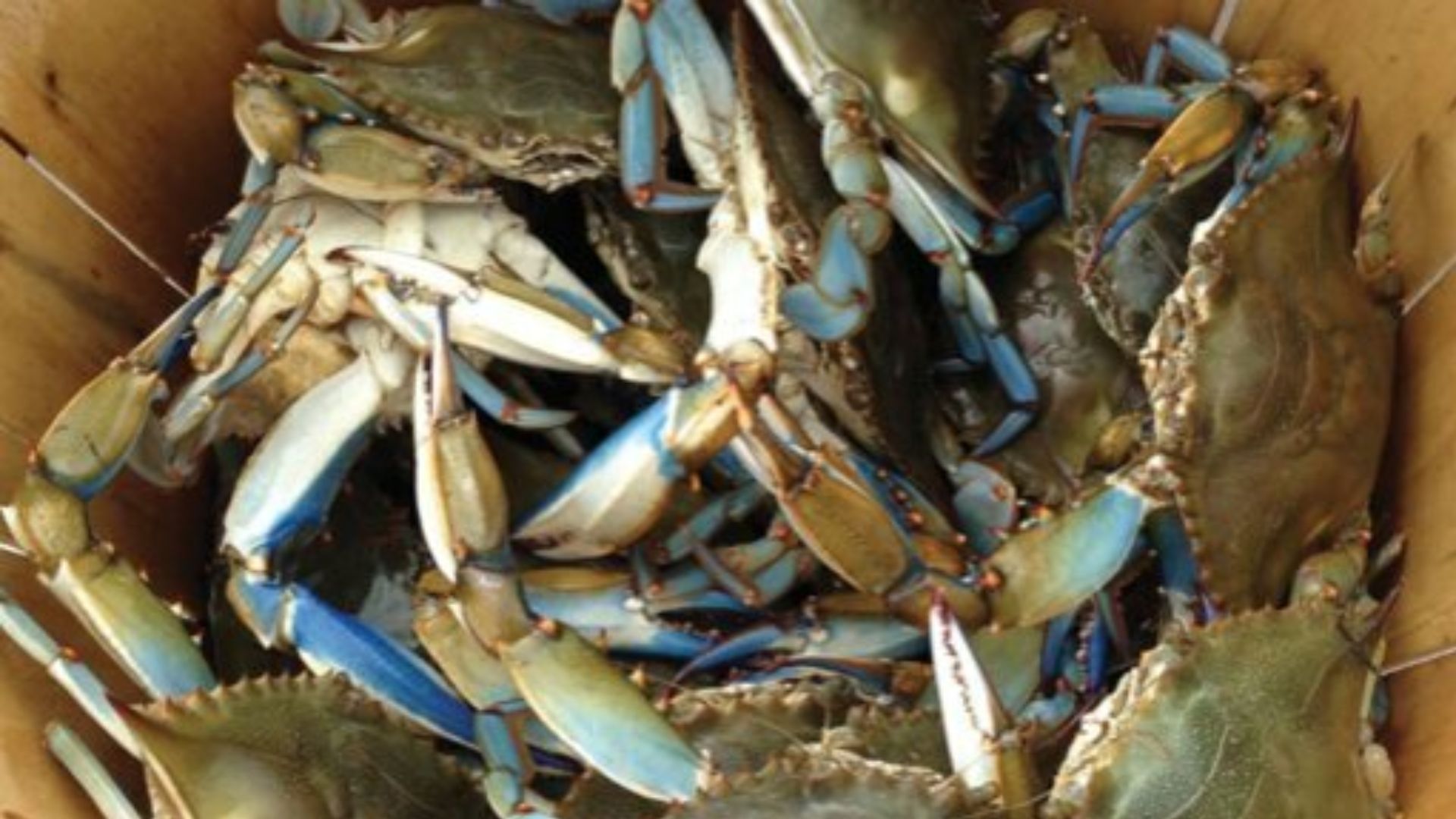
Florida – Florida anglers and commercial harvesters are being reminded that all blue crab traps in the St. Johns River system must be removed before January 16, marking the start of a 10-day trap closure aimed at protecting both the crab population and the river environment. The closure, mandated by the Florida Fish and Wildlife Conservation Commission (FWC), applies to all waters of the St. Johns River system, including associated lakes and tributaries, stretching from west of the river’s intersection with the Intracoastal Canal to Lake Hellen Blazes in Brevard County.
During this period, authorized groups will work to identify and retrieve lost or abandoned blue crab traps from the water. These “ghost traps” can continue to trap crabs and other aquatic species even when left unattended, creating both environmental and navigational hazards. Traps that remain in the water can damage sensitive habitats, including submerged vegetation and wetlands, and pose risks to boaters navigating the river.
While the trap closure is in effect, harvesters may still collect blue crabs using alternative gear, such as dip nets or fold-up traps. Standard blue crab traps can also be used if they are attached to docks or other private property. Traps may be returned to the water starting January 26, although FWC officials noted that the closure period could be shortened if authorities determine that removing lost and abandoned traps requires less time.
“This closure is an important step to ensure the health of our blue crab populations and to protect the river ecosystem,” FWC officials said. By temporarily removing traps, the commission and its partners can recover gear that would otherwise continue to impact fish and wildlife, while also reducing hazards for recreational and commercial boaters.
The St. Johns River closure is one of three regional 10-day blue crab trap closures scheduled in 2026 for the Atlantic coast of Florida. In total, six regional closures are planned, with three occurring on the east coast in even-numbered years and three on the west coast in odd-numbered years. These closures are part of a coordinated strategy to manage the state’s blue crab resources sustainably and minimize environmental impacts from abandoned traps.
FWC encourages all harvesters to review the agency’s trap-retrieval program and seasonal regulations. Detailed information on trap closures, cleanup events, and proper trap removal can be found online at MyFWC.com/marine under “Traps and Debris.” Additionally, questions can be directed to the commission at 850-487-0554.
Harvesters and recreational anglers are urged to plan accordingly to comply with the closure dates and help protect the St. Johns River ecosystem. Removing lost and abandoned traps not only supports healthy blue crab populations but also preserves safe waterways for boating, fishing, and other recreational activities.
The FWC emphasized that these closures are essential for long-term conservation and management of blue crab resources across Florida. By participating in the trap-retrieval efforts and following closure guidelines, residents can play a direct role in protecting the river’s ecology while ensuring that blue crabs remain a viable resource for years to come.
This temporary closure represents a proactive step toward sustainable fishing practices and demonstrates the ongoing collaboration between the FWC, commercial harvesters, and local communities in safeguarding Florida’s natural resources.



Two Pine Crest seniors named semifinalists for 2027 Coca-Cola scholarships

West Palm Beach invites businesses to explore city grants and incentives

West Palm Beach to host free startup workshop for aspiring business owners

Boca Raton chef faces DUI and drug charges after deputies report 102 mph pursuit

Hollywood reminds residents that early voting begins October 19

Broward School Board approves free menstrual products pilot at at least seven schools

Florida permanently protects nearly 1,500 acres across two working cattle ranches

Pine Crest student Alaina Jamal earns recognition for three original poems

Fort Lauderdale opens new water treatment center as part of $666 million project

Broward commissioners approve possible legal action to access sheriff’s headquarters

Man arrested after Pompano Beach shooting leaves one person injured

Overnight lane and ramp closures scheduled on Broward highways through Oct. 29

Sinta Tantra’s Petals of the Moon brings new public art to southern West Palm Beach

DeSantis announces plans for hurricane tax-filing relief as FICPA awaits IRS confirmation

Greater Fort Lauderdale Alliance president and CEO Bob Swindell announces retirement in 2027
-
 South Florida Local News4 days ago
Overnight lane and ramp closures scheduled on Broward highways through Oct. 29
-
 South Florida Local News3 days ago
Florida permanently protects nearly 1,500 acres across two working cattle ranches
-
 South Florida Local News4 days ago
Man arrested after Pompano Beach shooting leaves one person injured
-
 South Florida Local News3 days ago
Fort Lauderdale opens new water treatment center as part of $666 million project