South Florida Local News
City encourages property owners to assist in iguana control efforts as invasive green iguana population continues to grow across Florida communities

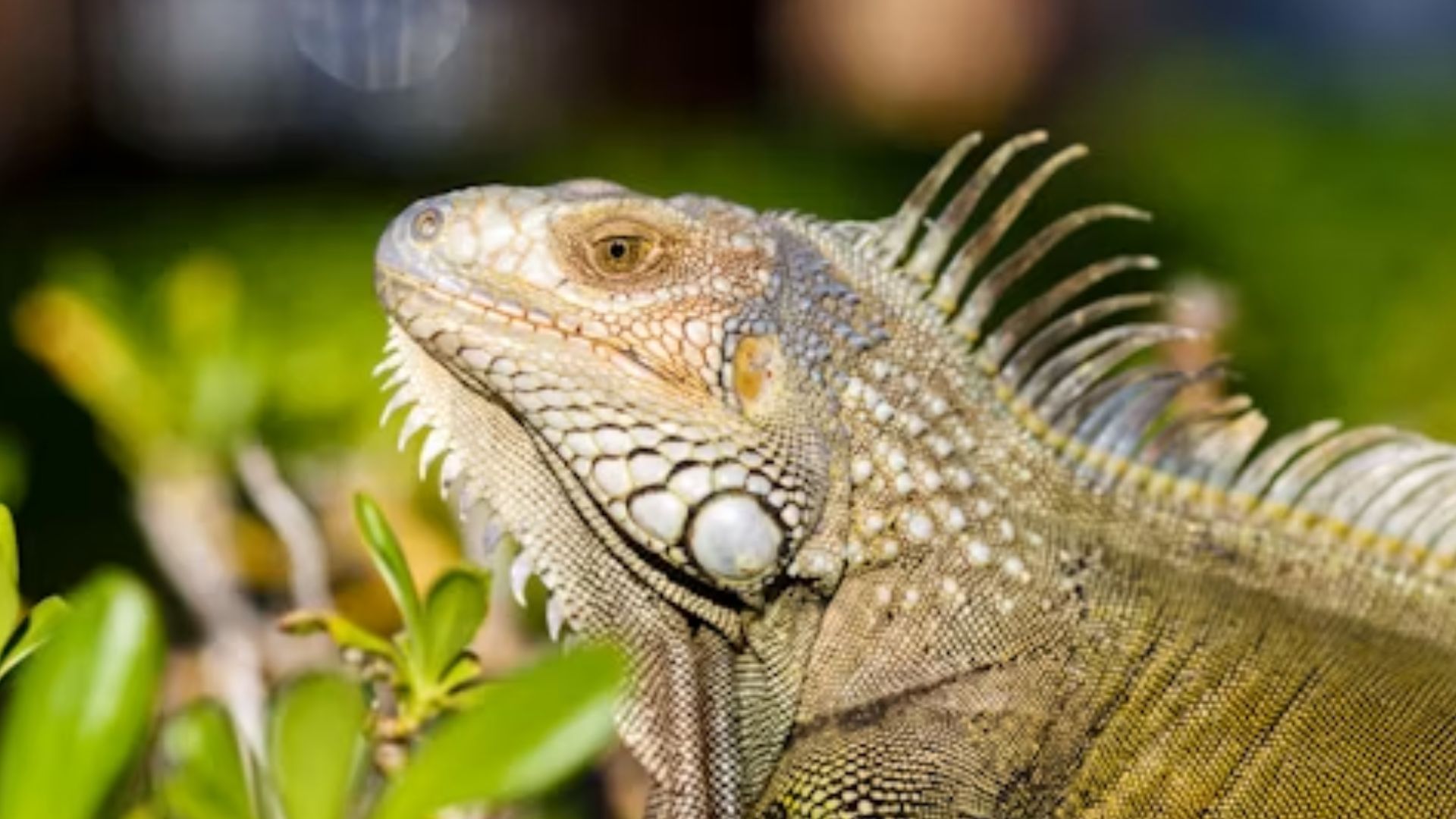
Hollywood, Florida – Local officials are urging property owners to take a more active role in managing green iguana populations, as the invasive species continues to spread across Florida and cause increasing concern for both public infrastructure and native wildlife.
The green iguana, while often seen lounging in sunny spots or moving slowly through landscaped areas, is far from harmless. According to officials, the species poses a serious threat to native and endangered wildlife and has become a growing problem in residential and public spaces. Beyond being a nuisance, the reptiles can cause noticeable structural damage and create sanitation issues in shared environments.
One of the most common complaints involves where iguanas leave waste. Officials note that droppings are frequently found on docks, moored boats, seawalls, porches, decks, pool platforms, and even inside swimming pools. These conditions not only create cleanup challenges but also raise health concerns for residents and maintenance crews.
Health officials also caution that green iguanas can carry bacteria that may impact human health. Like many reptiles, they can transmit Salmonella through contact with contaminated surfaces or water, particularly when feces are present in residential or public areas.
While the state of Florida does not classify iguanas as a protected species, they are still covered under general anti-cruelty laws. This means they can be managed and removed, but only through approved and lawful methods. State wildlife authorities emphasize that humane handling remains essential even when addressing invasive populations.
Read also: Florida Department of Corrections announces new Mobile Probation Unit location in Ocala
Property owners are being encouraged to use a combination of control strategies. These include habitat modification, trapping, and humane removal. Officials explain that reducing food sources and shelter opportunities is one of the most effective first steps. Iguanas are drawn to certain vegetation, especially foliage, fruit, and flowers that they consume or use for nesting.
Simple changes to landscaping can make a significant difference. Residents are advised to remove preferred plants where possible and to limit dense vegetation that may provide shelter. In some cases, spraying iguanas with water is suggested as a non-harmful way to encourage them to move away from a property. Filling burrow holes is another recommended step to make areas less attractive for nesting.
State wildlife guidance also stresses that iguanas should not be relocated and released into the wild once captured. Instead, removal must follow approved procedures to prevent further spread of the species into new areas.
Due to what officials describe as explosive population growth, combined with a rising number of resident complaints, the City has taken additional action. A licensed trapping company has been hired to carry out humane removal efforts on City-owned properties and other public spaces where iguanas are frequently reported.
The trappers working under this program are certified by both the Florida Department of Agriculture and the Florida Fish and Wildlife Conservation Commission. They are authorized to use pellet air rifles as part of humane removal practices. Residents may recognize them by their bright fluorescent orange shirts marked with the words “Wildlife Trapper.”
City officials emphasize that these crews are permitted to operate on public property, within rights-of-way, and in other designated public areas as part of ongoing control efforts. At the same time, private property owners are strongly encouraged to take similar steps on their own land to help reduce the overall population and limit further spread.
For residents who have questions or concerns regarding iguana control or removal efforts, the Department of Public Works remains available for assistance and guidance. Officials can be reached at 954.967.4526 for additional information.
As iguana populations continue to grow, city leaders say cooperation between public agencies and private property owners will be key to managing the issue and protecting both infrastructure and local ecosystems.



Pine Crest celebrates 31 members of the Class of 2027 named National Merit Scholarship Semifinalists

West Palm Beach celebrates Hispanic Heritage Month with two nights of free music, dancing, food and cultural entertainment

Florida residents urged to live BearWise® and reduce conflicts with bears as fall food searches increase

Garfield Garage construction project set to begin October 1 while garage remains open to the public

New York developers pour millions into Fort Lauderdale as they bet on the city’s growing real estate market

Fort Lauderdale United FC falls 2-1 to Dallas Trinity FC despite strong second-half comeback effort

16-year-old Miami angler lands Florida state record jaguar guapote

Dog causes major mess aboard Southwest flight to Fort Lauderdale

Delray Beach man faces three drug trafficking cases after Boca Raton investigations

I-595 to I-75 express lane ramp to close overnight from September 21 through 25

Florida launches Workforce Pell Grant funding for short-term career training

Music Under the Stars returns to Pompano Beach with fall concerts

Pembroke Pines invites local dogs and their owners to the 14th annual Bow Wow Ween costume contest

Florida officials seek public input through new survey for the 2028 State Hazard Mitigation Plan

McNab Road bridge replacement in Pompano Beach gets revised November 1 reopening date after months of construction
-
 South Florida Local News4 days ago
I-595 to I-75 express lane ramp to close overnight from September 21 through 25
-
 South Florida Local News4 days ago
Music Under the Stars returns to Pompano Beach with fall concerts
-
 South Florida Local News4 days ago
Florida launches Workforce Pell Grant funding for short-term career training
-
 South Florida Local News3 days ago
Delray Beach man faces three drug trafficking cases after Boca Raton investigations