South Florida Local News
Florida residents urged to live BearWise® and reduce conflicts with bears as fall food searches increase

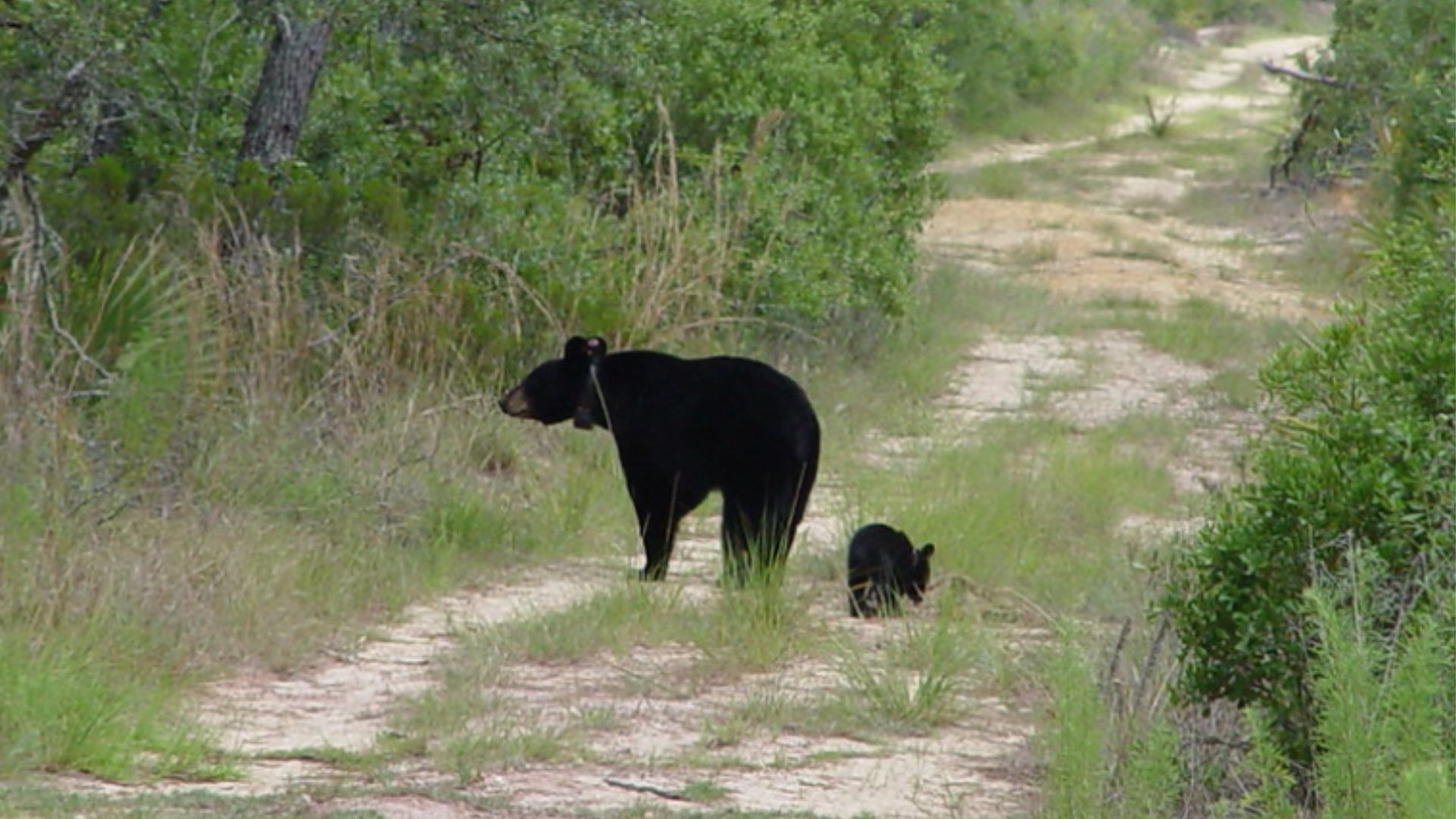
Florida – As fall approaches in Florida, black bears are becoming increasingly focused on one thing — food. With cooler months ahead, the animals spend much of their time looking for enough calories to build up body fat, and that can bring them closer to neighborhoods, homes and businesses.
Residents can help prevent unwanted encounters by making sure bears cannot find easy meals around their properties. Following BearWise® recommendations can reduce conflicts while also helping bears move through communities without becoming dependent on human food.
During this time of year, bears may spend as much as 20 hours a day searching for food. Their goal is to increase their body fat before the colder months arrive. Although bears naturally forage in wooded areas, an unsecured garbage can or an outdoor pet-food bowl can offer a much easier meal.
Once bears discover a reliable food source, they may continue returning to the same location. Removing those attractants can make a major difference. When garbage, birdseed, pet food and other easy food sources are not available, bears generally have little reason to remain in the area and will often move on.
One of the most important steps homeowners can take is to secure household garbage. Trash should be stored inside a sturdy shed or garage, or placed in a wildlife-resistant container designed to keep bears out.
Read also: Garfield Garage construction project set to begin October 1 while garage remains open to the public
Residents should also avoid putting garbage at the curb the night before collection. Instead, household trash should be placed outside on the morning of pickup. That reduces the amount of time bears have access to the garbage.
Businesses have similar responsibilities when it comes to waste. Commercial garbage should be stored in bear-resistant dumpsters. Keeping larger waste containers properly secured can help prevent bears from discovering a dependable source of food.
Other parts of a property can also attract bears. Gardens, bee yards, compost piles and livestock areas can be protected with electric fencing. Homeowners associations and local governments can also consider ordinances requiring garbage to be secured from bears.
Pet food is another common attractant. Residents who feed pets outdoors are encouraged to bring the dishes inside after the animals finish eating. Leaving food outside, even for relatively short periods, can give wildlife a reason to investigate.
People who walk their dogs should also stay alert. A non-retractable leash is recommended, and residents should pay attention to their surroundings, particularly in areas where bears are known to be active.
Outdoor cooking areas require attention as well. Grills should be cleaned after use and stored somewhere secure. Food residue and grease can create an attractive scent for wildlife, even when people believe a grill has been adequately cleaned.
Fruit trees can create another seasonal food source. Residents are encouraged to pick ripe fruit from trees and remove fruit that has fallen onto the ground. Doing so can make yards less attractive to bears searching for an easy meal.
Bird and wildlife feeders can also draw bears into residential areas. Residents should remove these feeders or use designs that are specifically made to resist bears.
Florida officials emphasize that intentionally feeding bears is illegal. It is also illegal to leave food or garbage outside when it attracts bears and contributes to human-bear conflicts. Anyone who sees or suspects that someone is intentionally feeding bears or leaving attractants accessible can contact the Florida Fish and Wildlife Conservation Commission’s Wildlife Alert Hotline at 1-888-404-FWCC (3922).
Bear awareness is important beyond residential properties. Drivers traveling through areas where bears are present should be especially cautious during dawn and dusk, when wildlife may be active. Extra care is also recommended on roads bordered by forest on both sides.
Drivers should pay close attention when they encounter a bear crossing sign. These signs mark locations where vehicle-bear collisions occur more frequently. Slowing down and remaining alert can give drivers more time to react if an animal enters the roadway.
The Florida Fish and Wildlife Conservation Commission provides additional information and instructional materials for residents who want to make their homes and communities less attractive to bears. Its resources include information on securing garbage, protecting outdoor food sources and reducing risks on roads.
The basic BearWise approach is straightforward: remove easy food sources, secure anything that could attract wildlife and stay alert when traveling through bear country. Those steps can help keep bears wild and reduce the chances of encounters becoming conflicts as Florida heads into the fall season.



Pine Crest celebrates 31 members of the Class of 2027 named National Merit Scholarship Semifinalists

West Palm Beach celebrates Hispanic Heritage Month with two nights of free music, dancing, food and cultural entertainment

Florida residents urged to live BearWise® and reduce conflicts with bears as fall food searches increase

Garfield Garage construction project set to begin October 1 while garage remains open to the public

New York developers pour millions into Fort Lauderdale as they bet on the city’s growing real estate market

Fort Lauderdale United FC falls 2-1 to Dallas Trinity FC despite strong second-half comeback effort

16-year-old Miami angler lands Florida state record jaguar guapote

Dog causes major mess aboard Southwest flight to Fort Lauderdale

Delray Beach man faces three drug trafficking cases after Boca Raton investigations

I-595 to I-75 express lane ramp to close overnight from September 21 through 25

Florida launches Workforce Pell Grant funding for short-term career training

Music Under the Stars returns to Pompano Beach with fall concerts

Pembroke Pines invites local dogs and their owners to the 14th annual Bow Wow Ween costume contest

Florida officials seek public input through new survey for the 2028 State Hazard Mitigation Plan

McNab Road bridge replacement in Pompano Beach gets revised November 1 reopening date after months of construction
-
 South Florida Local News4 days ago
I-595 to I-75 express lane ramp to close overnight from September 21 through 25
-
 South Florida Local News4 days ago
Florida launches Workforce Pell Grant funding for short-term career training
-
 South Florida Local News4 days ago
Music Under the Stars returns to Pompano Beach with fall concerts
-
 South Florida Local News3 days ago
Delray Beach man faces three drug trafficking cases after Boca Raton investigations